Top 10 Hose Line Types for Global Buyers to Consider?

Time:2026-08-11 Author:Ethan
0%

In the global market, the demand for high-quality Hose Line types continues to rise. Industry experts predict a significant growth rate, notably a projected 7% increase by 2025. This trend reflects the need for effective solutions in various sectors, including agriculture, construction, and manufacturing. Tony Mitchell, a Hose Line industry expert, emphasizes, "Choosing the right Hose Line is crucial for efficiency and safety across all applications."

As buyers consider their options, various Hose Line types offer unique advantages. Options include rubber hoses, PVC hoses, and braided hoses, each designed for specific tasks. For instance, rubber hoses are known for their flexibility and durability, yet they may not be suitable for all environments. The right Hose Line must align with operational needs.

Reflecting on choices, buyers face challenges. Not all options perform well in extreme conditions, leading to potential hazards. Industry reports highlight incidents where inappropriate Hose Line types have caused expensive downtimes. Awareness and informed decisions are key for a safe and productive operation. Engaging with reliable suppliers is critical in navigating this complex landscape and ensuring the best Hose Line selection.
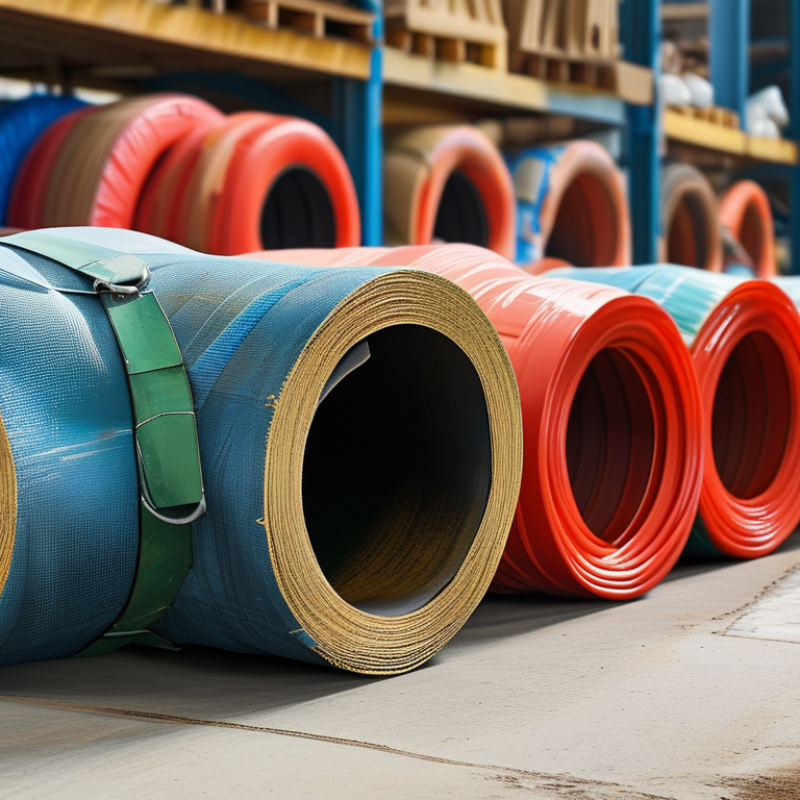
Top 10 Hose Line Types for Global Buyers to Consider?

Understanding the Global Market for Hose Lines: An Overview of Demand Trends

The global market for hose lines is evolving rapidly. Recent studies indicate a projected growth rate of 5.5% from 2023 to 2030. This growth is driven by increasing demand in industries such as agriculture, construction, and manufacturing. Each sector has unique requirements. For instance, agricultural applications necessitate durable, flexible hoses to withstand extreme conditions.

Regionally, Asia-Pacific leads in consumption. This area capitalizes on its expanding industrial base. The rise of urban development contributes significantly to this trend. Moreover, the energy sector also plays a crucial role. In 2022, it accounted for roughly 30% of total hose line usage. Heating and cooling applications require specific hose types, often varying in design and materials.

While demand is on the rise, not all manufacturers can keep pace. There are emerging issues in quality standards and regulatory compliance. Some companies struggle to maintain certifications, leading to inconsistent product quality. This inconsistency can undermine buyer trust. Stakeholders must prioritize quality assurance. Understanding these market dynamics helps buyers make informed decisions in this competitive landscape.

Top 10 Hose Line Types for Global Buyers to Consider

Hose Line Type Material Common Applications Global Demand Trend Average Price (per meter)
PVC Hose Polyvinyl Chloride Agriculture, Construction Increasing $0.50
Rubber Hose Natural/Synthetic Rubber Industrial, Automotive Stable $1.20
Composite Hose Layered Materials Chemicals, Fuels Growing $3.00
Silicone Hose Silicone Rubber Medical, Food Increasing $2.50
Fire Hose Rubber, PVC Firefighting Stable $5.00
Garden Hose PVC, Rubber Gardening, Landscaping Steady $0.80
Pressure Hose Reinforced Rubber Hydraulics Growing $4.00
Air Hose PVC, Rubber Pneumatic Tools Increasing $1.50
Ducting Hose Polyester, PVC Construction, HVAC Growing $2.00
Food Grade Hose Polyethylene, PVC Food Processing Increasing $3.50

Types of Hose Lines: Material Composition and Their Functional Applications

When selecting hose lines, material composition is key. Different materials offer various benefits that cater to specific needs. Rubber hoses are robust and flexible. They excel in general fluid applications, but they may degrade when exposed to heat or sunlight. On the other hand, PVC hoses are lightweight and resistant to chemicals. However, they can lack durability under high pressure.

Considerations extend beyond material. The application often dictates the type of hose line required. For instance, high-temperature applications may demand silicone hoses. These withstand extreme temperatures, yet they often come at a higher cost. In agricultural settings, layflat hoses are ideal. Their compact design and easy storage facilitate efficient irrigation.

Understanding how each hose line performs in real-world conditions is essential. Some users report premature wear in heavy-duty applications. This feedback highlights the need for thorough testing. It’s crucial to assess whether a hose can perform under pressure without bursting. The right choice ultimately depends on careful analysis and consideration of specific use cases.

Evaluating Performance: Pressure Ratings and Temperature Resistance Standards

When evaluating hose line types, pressure ratings and temperature resistance standards are critical. They directly impact performance in various environments. For example, a recent industry report indicates that hoses with a pressure rating of 300 PSI are common in many applications. However, those used in industrial settings may require ratings as high as 3,000 PSI. This dramatic difference showcases the need for careful selection based on operational demands.

Temperature resistance is equally important. Many hoses can withstand temperatures from -40°F to 200°F. If a hose fails under extreme conditions, it can lead to significant operational disruptions. A report from the Hose Manufacturers Association notes that 30% of hose failures stem from exceeding temperature limits. Evaluating the specific requirements for pressure and temperature can prevent costly mistakes. The choices must reflect the application’s unique challenges rather than just convenience.

Incorporating both pressure and temperature standards into the selection process enhances reliability. Ignoring these factors can lead to issues down the line. For example, a mismatch in pressure ratings can result in bursts and leaks. Additionally, considering the materials used in hoses is essential for achieving optimal performance under stress. A thoughtful, data-driven approach is key to making the right choice.

Top 10 Hose Line Types Performance Evaluation

Key Manufacturers and Suppliers: Market Share and Competitive Landscape

When exploring the global hose line market, understanding the competitive landscape is crucial. According to a recent market report, the global hose market is expected to reach USD 18 billion by 2026. Various manufacturers contribute significantly to this growth, with a few holding substantial market share. Data indicates that around 40% of the market is controlled by the top five players, showcasing a need for emerging suppliers to innovate and carve out their niche.

Market analysis reveals significant regional disparities. North America accounts for about 30% of the total market share. This presents opportunities for suppliers looking to penetrate various sectors like agriculture, construction, and automotive. However, the competition remains fierce. New entrants must not only focus on pricing but also on the quality of materials and durability of hose products. A focus on ASTM standards can help companies enhance their reputation and reliability in this crowded market.

Lastly, aligning with sustainable practices is becoming vital. Reports show that eco-friendly materials are gaining traction. Suppliers that adopt such practices might gain a competitive edge. However, balancing cost-effectiveness while staying eco-conscious can be a challenging task. Ensuring transparency in sourcing and manufacturing will be essential for long-term success in this evolving marketplace.

Global Trade Dynamics: Import/Export Statistics for Hose Line Products

Understanding global trade dynamics is crucial for buyers in the hose line industry. Import and export statistics provide valuable insights. For instance, the European market shows a steady demand for various hose lines. In contrast, emerging markets in Asia are experiencing rapid growth. Buyers must adapt to these trends to remain competitive.

The number of registered suppliers influences market dynamics. Accurate data on imports can inform purchasing decisions. The type of materials used in hose lines also varies by region. Understanding these differences is essential for successful sourcing. Challenges exist, such as fluctuating tariffs and logistical issues. These factors can impact the supply chain’s efficiency.

Trade policies can influence the availability of raw materials. Awareness of changing regulations is paramount. Suppliers may face compliance challenges that affect pricing. Timely communication with suppliers mitigates potential risks. Buyers need to be proactive in their research to navigate the complexities of global trade. Ultimately, informed decision-making drives success in this competitive landscape.

FAQS

: What materials are commonly used for hose lines?

: Common materials include rubber, PVC, and silicone. Each has unique benefits and limitations in different applications.

How does rubber compare to PVC for general fluid applications?

Rubber is flexible and robust but may degrade in heat. PVC is lightweight and chemical resistant but less durable under high pressure.

What type of hose is suitable for high-temperature applications?

Silicone hoses are designed for high temperatures but often come at a higher cost compared to others.

Why is pressure rating important when selecting hoses?

Pressure ratings impact performance. Some hoses withstand 300 PSI, while industrial uses may need 3,000 PSI ratings.

What temperature range can many hoses typically handle?

Many hoses can work in temperatures from -40°F to 200°F. Exceeding these limits can lead to failures.

What are common issues reported with hose performance?

Users often experience premature wear in heavy-duty applications. This highlights the need for proper testing before use.

How can ignoring temperature and pressure standards affect hose performance?

Ignoring these standards can lead to bursts, leaks, and operational disruptions, resulting in costly mistakes.

What factors should be considered for choosing a hose line?

Consider material composition, pressure ratings, temperature resistance, and specific application requirements for optimal performance.

Why is a thoughtful approach necessary in hose selection?

A data-driven method ensures the right choice, reducing risks and enhancing reliability in various environments.

What’s an important reflection when using hoses in real-world conditions?

Users must recognize that not all hoses perform well under every condition, necessitating careful evaluation and testing.

Conclusion

The article "Top 10 Hose Line Types for Global Buyers to Consider" provides a comprehensive overview of the current landscape of hose lines in the global market. It discusses the varying demand trends and the importance of understanding the diverse types of hose lines based on their material composition and functional applications. The summary emphasizes the need for buyers to evaluate performance metrics such as pressure ratings and temperature resistance standards to make informed choices that meet their operational needs.

Furthermore, the article highlights the competitive landscape of key manufacturers and suppliers, shedding light on market share dynamics. It also addresses global trade dynamics by presenting import and export statistics related to hose line products, illustrating the interconnectedness of the market. This information is essential for buyers looking to navigate the complexities of sourcing hose lines effectively in an increasingly globalized economy.


Ethan

Ethan

Ethan is a seasoned marketing professional with a deep expertise in our company's innovative product line. With a passion for sharing knowledge and insights, he takes the lead in regularly updating our corporate blog, where he explores industry trends, product features, and effective marketing......