In the competitive world of manufacturing, selecting the right Pipe Extrusion Line is crucial. Experts agree on the significance of this choice. John Smith, an industry leader with over 20 years of experience, once stated, "Choosing the right Pipe Extrusion Line can define your production efficiency." This expertise underscores the importance of making informed decisions.
When considering a Pipe Extrusion Line, various factors come into play. These include the quality of materials, machine capabilities, and the potential for future upgrades. For instance, not all lines provide the same level of output or customization options. Manufacturers must weigh these aspects carefully to avoid pitfalls.
Furthermore, many businesses overlook the importance of after-sales support. An effective Pipe Extrusion Line is not just about the initial investment but also the service quality that follows. Reflecting on these elements can help companies make choices that enhance productivity and profitability over time.
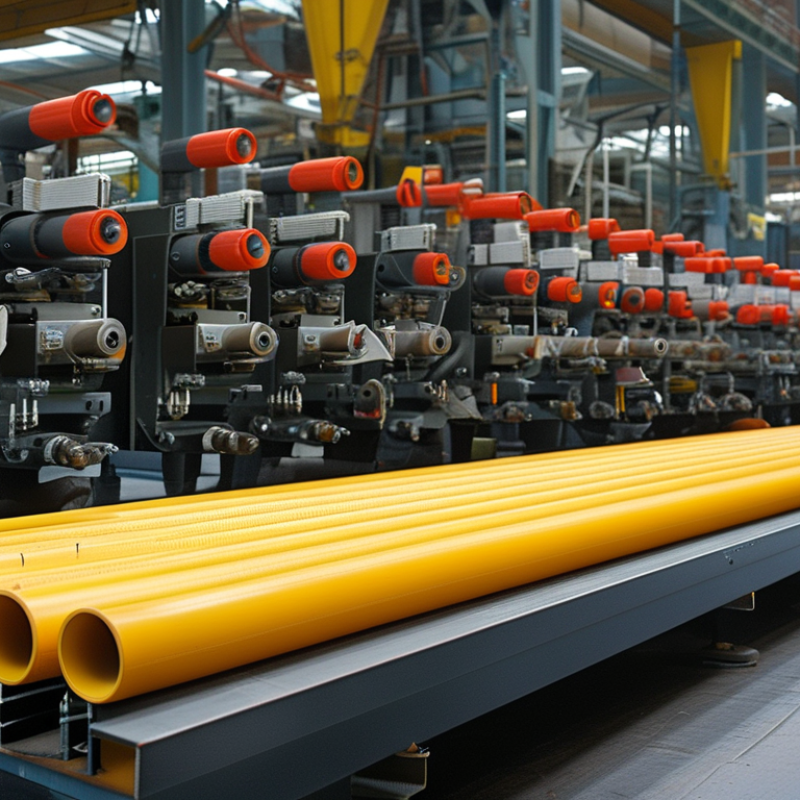
Understanding the basics of pipe extrusion lines is crucial for any manufacturer. These lines are complex systems that convert raw materials into plastic pipes. They consist of several key components, including extruders, die heads, and cooling systems. Each part plays a significant role in ensuring high-quality pipe production.
When choosing an extrusion line, consider your production capacity. Assess how much pipe you plan to produce daily. Too small a line may lead to bottlenecks. A line that is too large may result in unnecessary costs. Balance is vital.
Here are some tips to enhance your selection process. First, evaluate the types of materials you will use. Different materials require specific settings and machinery. Also, think about the line's flexibility. A versatile line can adapt to various pipe dimensions. Lastly, prioritize energy efficiency. An energy-efficient line can save on operational costs long-term. Remember, making a poorly-informed choice can lead to ongoing challenges.
When selecting a pipe extrusion line, several key factors must be considered. The efficiency of the production process is paramount. Reports from industry experts indicate that modern extrusion lines can achieve production rates exceeding 500 kg/hour, depending on the polymer utilized. This efficiency significantly impacts overall operational costs.
Another crucial aspect is the versatility of the line. Look for equipment that can handle a range of materials, from PVC to polyethylene. A flexible extrusion line allows for adaptation to changing market demands, ensuring competitiveness. The right line should accommodate various pipe sizes, too. Consider the investment in technology. According to a recent study, companies that invest in advanced automation experience a 20% increase in productivity.
Tip: Evaluate the machine's energy consumption. More efficient lines can save substantial costs over time. Think about maintenance access and ease of operation. High-quality equipment should minimize downtime. Lastly, don't overlook supplier support. Reliable after-sales service can make a significant difference in operational efficiency. Assessing these factors will lead to a well-informed decision.
Selecting the right materials for pipe extrusion lines is crucial. Material compatibility directly influences product quality and production efficiency. Different polymers behave uniquely under heat and pressure. Understanding these properties is essential for optimal performance.
Conduct thorough assessments of the materials you intend to use. This includes evaluating their melting points, viscosity, and flow rates during the extrusion process. For instance, a high-viscosity material might cause blockages, leading to downtime. During your evaluation, consider blending materials to enhance properties. This practice could improve flexibility or durability, making your products more competitive.
Be aware of the challenges that may arise. Sometimes, materials that seem ideal may not work well together. Test your selected materials in small batches before committing to large productions. This step can save you time and resources. Gather feedback throughout your production runs. Continuous improvement in material selection can lead to higher quality outputs and more efficient processes.
When assessing production capacity and efficiency needs for a pipe extrusion line, start by analyzing your manufacturing goals. According to industry reports, an efficient extrusion line can produce between 200 to 800 kg of plastic per hour. This output directly correlates with the line's specifications and tooling options. Understanding these metrics helps in choosing equipment that avoids over or undercapacity.
Consider the materials you will process. For example, PVC, PE, and PP each have specific temperature ranges and flow properties. Adjustments to the line settings will be necessary for optimal performance. A notable study indicates that even minor changes in temperature can impact output by up to 20%. Stability in these parameters is crucial for maintaining efficiency.
Finally, examine the available machinery options. Automation plays a critical role in enhancing throughput and reducing labor costs. However, more automation introduces complexity. Depending on your needs, a semi-automated line may suffice. It is essential to weigh the balance between efficiency and operational simplicity. Ensuring the right fit for your production requirements can save resources and time in the long run.
Maintaining and upgrading your pipe extrusion line is crucial for optimal performance. Research shows that regular maintenance can increase machine lifespan by 20%. Timely repairs reduce downtime by 15% on average.
Consider minor upgrades like better cooling systems. Cooling efficiency can improve output by 10%. This small investment yields significant returns. Another often overlooked area is the monitoring of processing parameters. Monitoring systems can help reduce material waste by up to 5%.
However, it's essential to assess the existing line's capabilities. An unsuitable upgrade may lead to inefficiencies. Upgrading the driving motors without improving other components can create bottlenecks. Thus, a holistic evaluation is necessary. Understanding each component's role is vital for effective maintenance and upgrades. Aim for a balance between old and new technology, ensuring reliable production without excessive costs.
| Aspect | Details |
|---|---|
| Material Compatibility | Ensure the line can handle materials such as PVC, HDPE, and PP. |
| Production Capacity | Evaluate the output rate per hour based on the intended volume of production. |
| Energy Efficiency | Choose machines with lower energy consumption for cost-effective operations. |
| Control Systems | Advanced control systems improve precision and ease of use. |
| Maintenance Requirements | Check for ease of maintenance and availability of replacement parts. |
| Upgradability | Consider if the line can be upgraded with newer technologies in the future. |
| Supplier Support | Research supplier reputation and customer service quality. |
: Material compatibility affects both product quality and production efficiency. It influences how well materials perform under heat and pressure.
Evaluate melting points, viscosity, and flow rates. High-viscosity materials may cause blockages and downtime during production.
Blending can enhance properties like flexibility and durability, making products more competitive in the market.
Conduct small batch tests before large productions. This can save time and resources by identifying compatibility issues early.
Knowing your production goals helps choose the right equipment. Efficient lines can produce between 200 to 800 kg of plastic per hour.
Minor changes in temperature can impact output by up to 20%. Maintaining stable temperature settings is crucial for efficiency.
Automation enhances throughput but adds complexity. A semi-automated line might be simpler and still meet your production needs effectively.
Gather feedback throughout production runs. Adjustments based on this feedback can lead to improved quality and efficiency.
When choosing the best Pipe Extrusion Line, it is essential to first understand the basic principles of extrusion and how different components work together. Key factors to consider include the line's material compatibility, as different plastics may require specific settings and machinery. Evaluating production capacity and efficiency needs is equally important, as this ensures the line can meet demand while optimizing operational costs.
Furthermore, maintaining and upgrading your Pipe Extrusion Line can have significant long-term benefits. Regular maintenance enhances performance and prolongs equipment lifespan, while timely upgrades can improve efficiency and incorporate the latest technology. By considering these aspects, manufacturers can make informed decisions that align with their production goals and requirements.

Baodie