Top Tips for Successful Polymer Extrusion Process

Time:2026-07-27 Author:Aria
0%

Polymer extrusion is a vital process in the plastics industry, shaping materials into various forms. Experts emphasize its importance. Dr. Jane Thompson, a recognized authority in polymer technology, states, "Precision in polymer extrusion is crucial for product quality and efficiency."

Many companies strive for excellence in this field. However, achieving consistent results can be challenging. Factors such as temperature control, die design, and material selection greatly influence the outcome. An effective strategy can streamline operations and enhance product reliability.

Yet, the complexities of polymer extrusion demand constant reflection and learning. Even experienced professionals occasionally face setbacks. Recognizing common pitfalls aids in refining processes. Implementing best practices will not only improve workflow but also solidify one’s reputation in the polymer extrusion industry.
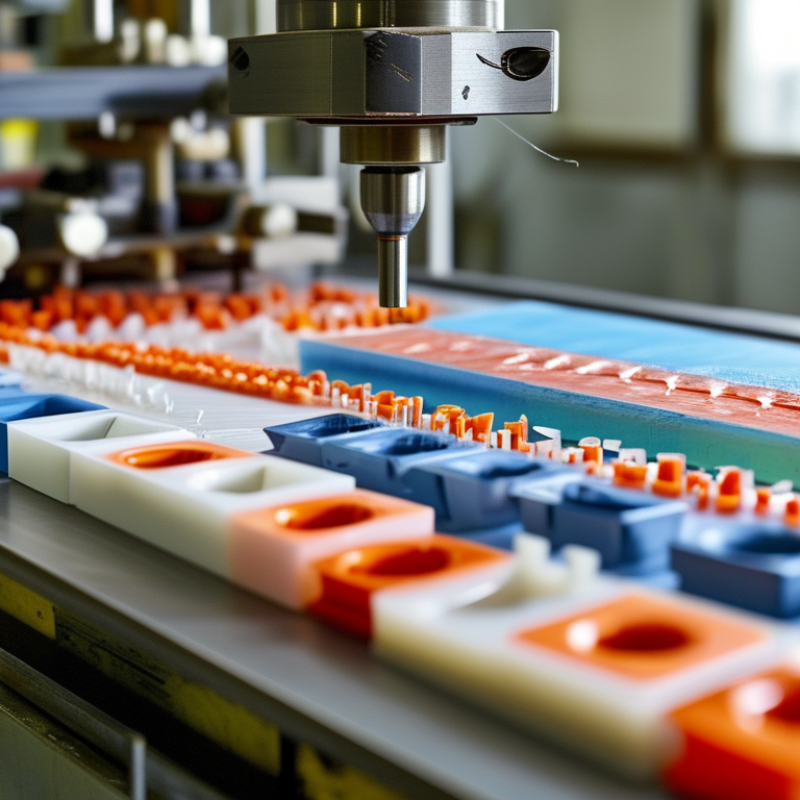
Top Tips for Successful Polymer Extrusion Process

Understanding the Basics of Polymer Extrusion Technology

Polymer extrusion technology is a fascinating process that transforms raw materials into usable products. In this method, polymers are heated and forced through a die. This process shapes them into various forms, such as sheets, films, or profiles. Understanding the underlying principles is crucial for anyone involved in manufacturing.

The key to successful polymer extrusion lies in mastering material properties. Different polymers behave differently under heat and pressure. Factors such as temperature and flow rate significantly impact the final product’s quality. Even seasoned professionals may face challenges. Minor adjustments can lead to defects like improper flow or uneven thickness. These issues often require careful troubleshooting and testing for resolution.

Moreover, consistent monitoring of the extrusion line is essential. This practice helps in identifying problems early. Operators need to be skilled in interpreting data from the equipment. Regular maintenance of machinery cannot be overlooked. A well-maintained extruder runs more efficiently, producing better quality output. Learning from failures and refining processes is part of growth in this field.

Key Factors Influencing Polymer Extrusion Performance

The polymer extrusion process is influenced by several critical factors. Understanding these can significantly improve performance. One key aspect is temperature. Research from the Polymer Engineering Department indicates that the ideal processing temperature for common thermoplastics ranges between 180°C and 240°C. Too low can lead to poor flow, while excessive heat may cause degradation.

Another crucial factor is the selection of the die design. Specifically, the die geometry directly impacts flow behavior. A well-designed die can minimize shear stress, enhancing product quality. According to a study published in the Journal of Plastics Technology, slight changes in die configuration can change viscosity up to 30%. This level of precision is vital for achieving consistency in the final product.

Additionally, the choice of feed material plays a significant role. Materials with high moisture content can lead to defects. Data from the Society of Plastics Engineers shows that moisture levels above 0.05% can severely affect mechanical properties. Controlling humidity levels during material preparation is essential for achieving optimal results. Overall, a thorough understanding of these factors will yield better outcomes in polymer extrusion processes.

Essential Equipment for Efficient Polymer Extrusion

When setting up an efficient polymer extrusion process, the right equipment plays a crucial role. Key components include the extruder, dies, and chillers. An extruder must provide consistent temperature control. Variations can lead to defects in the final product. It's essential to use high-quality heating elements. Cheap alternatives may fail over time.

Regular maintenance of dies is also crucial. Clogged or damaged dies can disrupt the flow of materials. Proper cleaning routines help maintain efficiency. For example, using a dedicated cleaning agent is often more effective than traditional methods. Ensure dies are precisely engineered to prevent waste.

Chillers are another vital part of the process. They help maintain the temperature of the extruded polymer. Insufficient cooling can lead to warping or undesired properties in the final product. Invest in a reliable chilling system that can adapt to varying production volumes. Remember, balancing these elements requires constant observation and adjustments. Miscalculations can result in costly delays or defective runs. Always document your processes for continuous improvement.

Top Tips for Successful Polymer Extrusion Process - Essential Equipment for Efficient Polymer Extrusion

Equipment Function Key Features Importance
Extruder Melts and shapes the polymer Temperature control, feed rate adjustment Core of the extrusion process
Cooling System Cools and solidifies extruded products Water baths, air cooling systems Ensures product stability and quality
Die Forms the polymer into specific shapes Customizable designs for various profiles Critical for achieving desired product shape
Feeding System Supplies raw materials to the extruder Belt feeders, screw feeders Ensures consistent supply of materials
Temperature Control Unit Regulates the temperature of the process Thermocouples, heaters Maintains desired processing conditions

Common Challenges in the Polymer Extrusion Process

The polymer extrusion process can be complex. Understanding its common challenges is crucial for successful outcomes. Material viscosity can vary, affecting flow consistency. If the material is too viscous, it may not extrude properly, causing blockages and defects. Implementing a viscosity control system can mitigate this issue. Regular monitoring of the melt flow index is essential.

Temperature control is another significant challenge. Overheating can lead to polymer degradation. Inadequate heating may result in poor material flow. It’s vital to maintain consistent temperatures throughout the extrusion process. Using infrared sensors for real-time temperature monitoring can help.

Die design plays a crucial role in shaping final products. An improperly designed die can lead to uneven wall thickness or surface defects. Regularly reviewing and testing die performance ensures quality. Consistent maintenance and redesign might be necessary. Understanding these challenges helps in refining the extrusion process, leading to better outcomes.

Top Tips for Successful Polymer Extrusion Process - Common Challenges

Best Practices for Quality Control in Polymer Extrusion

Quality control in polymer extrusion is vital for achieving consistent results. Many factors impact the process, such as temperature, pressure, and raw material quality. Regular monitoring of these variables ensures that the extruded product meets specifications. Keeping equipment calibrated is essential. Over time, machinery can drift from its ideal settings.

Testing the physical properties of the extrusion is crucial. Tensile strength, elongation, and melt flow index should be measured frequently. These metrics help identify deviations from quality standards. For example, brittle products may indicate an issue with material blending or processing temperature. Simple checks can prevent costly production errors.

Documentation is an often-overlooked aspect of quality control. Keeping detailed records of all parameters and test results fosters accountability. It also aids in troubleshooting when issues arise. Engaging the team in a culture of quality awareness is beneficial. Everyone from operators to managers should understand their role in maintaining high standards. Understanding that perfection is often unattainable can drive continuous improvement in processes.

FAQS

: What is polymer extrusion technology?

: It is a process that transforms raw materials into usable products by heating and forcing polymers through a die.

What shapes can be produced by polymer extrusion?

Sheets, films, and profiles are common shapes formed through this process.

Why are material properties important in extrusion?

Different polymers react differently to heat and pressure, affecting product quality significantly.

What issues might arise during the extrusion process?

Improper flow, uneven thickness, and other defects can occur, requiring careful troubleshooting.

How can quality control be maintained in extrusion?

Regular monitoring of temperature, pressure, and raw material quality is essential for consistent results.

What physical properties should be measured for quality control?

Tensile strength, elongation, and melt flow index are critical metrics for assessing product quality.

Why is documentation important in quality control?

Detailed records help in troubleshooting issues and foster accountability within the production process.

How can machinery performance affect product quality?

Malfunctioning equipment can lead to drift from ideal settings, negatively impacting production quality.

What can lead to brittle extruded products?

Issues with material blending or incorrect processing temperatures may cause brittleness.

How can a culture of quality awareness benefit a team?

It encourages every team member to understand their role, improving overall quality and driving continuous improvement.

Conclusion

Polymer extrusion is a crucial manufacturing process that transforms raw polymer materials into a continuous profile, commonly used in various industries. Understanding the basics of polymer extrusion technology is essential for optimizing production efficiency. Key factors that influence the performance of polymer extrusion include temperature control, material viscosity, and screw design. Additionally, investing in essential equipment such as extruders, dies, and cooling systems can significantly enhance the extrusion process.

Despite its advantages, the polymer extrusion process can present common challenges, such as material degradation and product inconsistencies. Implementing best practices for quality control, such as regular equipment maintenance and thorough monitoring of process parameters, is vital to achieving high-quality outputs. By mastering these elements, manufacturers can ensure a successful polymer extrusion process that meets their production goals and standards.


Aria

Aria

Aria is a dedicated marketing professional with a deep passion for innovative strategies and a keen understanding of our company's product offerings. With a wealth of experience in the industry, Aria excels at crafting engaging content that highlights the unique features and benefits of our......