In the realm of modern manufacturing, the Profile Extrusion Line stands out as a specialized process for producing plastic profiles. This technology has seen a remarkable growth trend, capturing a significant share of the global extrusion market, which is projected to reach $6 billion by 2026, according to industry reports. The Profile Extrusion Line is essential for industries like construction and automotive, where precision and material quality are paramount.
Utilizing advanced machinery, the Profile Extrusion Line transforms raw polymer materials into various shapes and sizes. This process requires a deep understanding of material properties and extrusion parameters. Despite its efficiency, challenges remain. For instance, variations in temperature can impact the end product quality. Industry professionals must remain vigilant to adapt to these fluctuations for optimal results.
Moreover, the choice of equipment and process design can significantly affect production outcomes. Continuous improvement in line configurations and die designs is critical. As the market evolves, companies must evaluate their Profile Extrusion Line setups to stay competitive. The intricacies of this line demand both technical expertise and innovative thinking to drive progress in manufacturing applications.
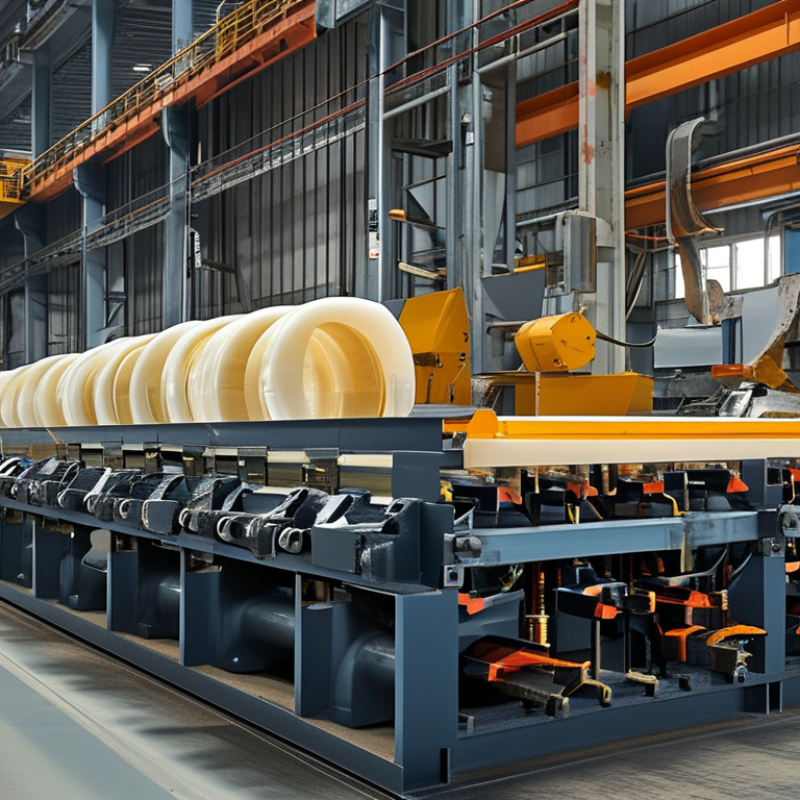
What is Profile Extrusion?
Profile extrusion is a manufacturing process used to create continuous lengths of products with uniform cross-sections. In this method, raw plastic material is melted and formed into specific shapes by passing it through a die. Common applications include window frames, pipes, and trim shapes. The materials can vary, allowing for customization in strength, weight, and appearance.
It is essential to maintain precise temperature control during the extrusion process to ensure quality. If the material is too hot, it may degrade. Too cold, and it won't flow properly. Choosing the right material matters too. Some materials can lead to complications.
Tips: Pay attention to the die design. A poor die can lead to imperfections. Regular maintenance of machinery is crucial for consistent results. Properly calibrating the extrusion line helps achieve desired specifications. Monitor production closely to identify issues early and make necessary adjustments.
Components of a Profile Extrusion Line
A profile extrusion line is an intricate system designed for shaping materials into specific profiles. The fundamental components of this line include an extruder, die, cooling system, and downstream equipment. The extruder plays a vital role, melting and shaping polymers into a continuous form. It consists of a cylindrical barrel and a rotating screw that forces the material through the system. This process requires careful temperature control to ensure the polymers melt effectively without degradation.
Next in the sequence, the die shapes the molten material into the desired profile. This tool customizes the extrusion to various shapes, from simple tubes to complex geometries. The cooling system then stabilizes the material, preserving its shape as it solidifies. Water baths or air cooling are commonly applied methods. After cooling, downstream equipment such as cutters and pullers finishes the process, creating uniform lengths for further production.
Despite the efficiency of profile extrusion lines, challenges can arise. Inconsistent material heating may lead to defects. This situation underlines the need for thorough monitoring of temperature and flow rates. Additionally, designing the die requires precision. Small errors can result in imperfect profiles. Regular maintenance of all components is necessary, highlighting the balance between automation and manual oversight in this complex manufacturing process.
The Profile Extrusion Process Step-by-Step
The profile extrusion process is essential in creating numerous plastic products. It involves converting raw plastic material into useful profiles, like pipes and window frames. The process begins with feeding plastic pellets into an extruder. This machine applies heat and pressure to melt the pellets, making them pliable. It's a delicate balance to maintain. Too much heat can deteriorate the material, while too little won’t allow for proper flow.
Next, the melted material is forced through a die, forming the desired shape. This step requires precision. A minor error in the die can lead to significant inconsistencies in the final product. After shaping, the extruded profile needs cooling, usually done with air or water. This stage is critical; if poorly executed, warping can occur. Once cooled, the profiles are cut to specific lengths. Each phase of the process requires meticulous attention and skilled operators to avoid defects.
Lastly, the finished profiles undergo quality checks. Continuous monitoring is vital to ensure they meet industry standards. However, mistakes can happen. Scrap material often arises from the extruded profiles during production. It’s crucial to analyze the causes of waste for improvement. Reflecting on these aspects can foster better practices and enhance overall efficiency.
What is a Profile Extrusion Line and How Does it Work?
| Process Step |
Description |
Equipment Used |
Material Type |
Typical Output |
| Material Feeding |
Raw materials are loaded into the hopper. |
Hopper |
Plastic pellets or granules |
100-1000 kg/h |
| Melting |
The raw materials are heated until melted. |
Extruder |
Thermoplastics |
100-300°C |
| Extrusion |
The molten material is forced through a die to form a profile. |
Extrusion Die |
PVC, PE, PP, etc. |
Varies based on profile |
| Cooling |
Extruded profiles are cooled to solidify the material. |
Cooling Tank or Air Cooling |
N/A |
N/A |
| Cutting |
Profiles are cut to the desired lengths. |
Cutting Unit |
N/A |
Custom lengths |
| Quality Control |
Final profiles are inspected for defects. |
Inspection Tools |
N/A |
N/A |
Applications of Profile Extrusion in Various Industries
Profile extrusion is vital in various industries. This process allows manufacturers to create specific shapes and profiles from materials like plastic and metal. These profiles are used in building, automotive, and electronics sectors. For instance, window frames, piping systems, and electrical conduits all benefit from extruded profiles.
In construction, profile extrusion produces materials that are lightweight yet durable. Builders prefer these for their strength and insulation properties. In automotive applications, extruded profiles form parts like bumpers and trim. They are not only functional but also enhance aesthetics.
Electronics manufacturers utilize profile extrusion for components, ensuring high precision. This precision can lead to better product performance. However, the process can face challenges like material waste and production inconsistencies. Reflecting on these issues helps improve both efficiency and sustainability in the extrusion process. Each failure provides insights for future projects, emphasizing the continuous need for innovation.
Advantages and Challenges of Using Profile Extrusion
Profile extrusion is a widely used manufacturing process in various industries. It allows for the creation of complex shapes and profiles efficiently. However, there are notable advantages and challenges that manufacturers must consider.
One of the primary advantages is the high level of customization. Manufacturers can create a wide range of profiles tailored to specific applications. This adaptability can lead to unique product offerings and a competitive edge in the market. Additionally, profile extrusion is highly efficient. Once set up, the process allows for continuous production, reducing labor costs and increasing output.
Despite its benefits, there are challenges. One significant concern is the need for precise temperature control during extrusion. Inconsistent temperatures can lead to defects in the products. Also, maintaining quality over long production runs can be tricky. Material variations may affect the final product, requiring rigorous testing and adjustments. Understanding these challenges is crucial for manufacturers aiming to succeed in profile extrusion.
Profile Extrusion Line Production Statistics
FAQS
: Profile extrusion is a manufacturing process for creating continuous products with uniform cross-sections from melted plastic.
Applications include window frames, pipes, and various trim shapes across multiple industries.
Precise temperature control prevents material degradation or improper flow, ensuring product quality.
A poorly designed die can cause imperfections in the final product, leading to inconsistencies.
The melted plastic is forced through a die, shaping it into the desired profile with precision.
Cooling usually involves air or water, which is critical to preventing warping of the profiles.
Continuous monitoring of production helps identify issues early, allowing for timely adjustments.
It offers high customization and efficiency, enabling continuous production and reduced labor costs.
Maintaining consistent temperature and quality during long production runs can be difficult and requires attention.
Understanding the causes of scrap material helps improve practices and enhance overall efficiency in production.
Conclusion
A Profile Extrusion Line is a specialized production setup designed for creating continuous profiles from various materials, commonly thermoplastics. The process involves several key components, including an extruder, die, cooling system, and cutting tools, which work together to shape and solidify the extruded material. The profile extrusion process follows a step-by-step methodology—starting with material feeding, heating, forming, cooling, and finally cutting into desired lengths.
Profile extrusion has a wide range of applications across diverse industries, including construction, automotive, and consumer goods, where it produces items like window frames, piping, and decorative moldings. While the advantages of using a Profile Extrusion Line include efficiency and the ability to create complex shapes, challenges such as material waste and the necessity for precise temperature control must also be considered. Overall, profile extrusion remains a vital manufacturing technique for creating high-quality products tailored to specific industry needs.

 Baodie