In the ever-evolving landscape of manufacturing, "Professional Extrusion" has emerged as a critical component for many industries. China stands out as a hub for these advanced solutions. The country is renowned for its innovative approach and robust production capabilities. Buyers from around the globe increasingly seek partnerships with Chinese suppliers to leverage their specialized expertise.
Chinese manufacturers offer a wide range of extrusion services and technologies. From plastic to metal extrusion, these solutions accommodate diverse business needs. Often, quality and efficiency are paramount for buyers. However, navigating this market can pose challenges. Some manufacturers may not meet international standards, potentially leading to quality concerns.
Understanding the nuances of the extrusion process is essential for informed decision-making. Buyers should evaluate suppliers based on their experience and reliability. Authenticating their claims through reviews and testimonials can mitigate risks. As businesses aspire to enhance their production capabilities, they must seek professional partners who demonstrate genuine proficiency in Professional Extrusion. Making informed choices will ensure long-term success in a competitive environment.
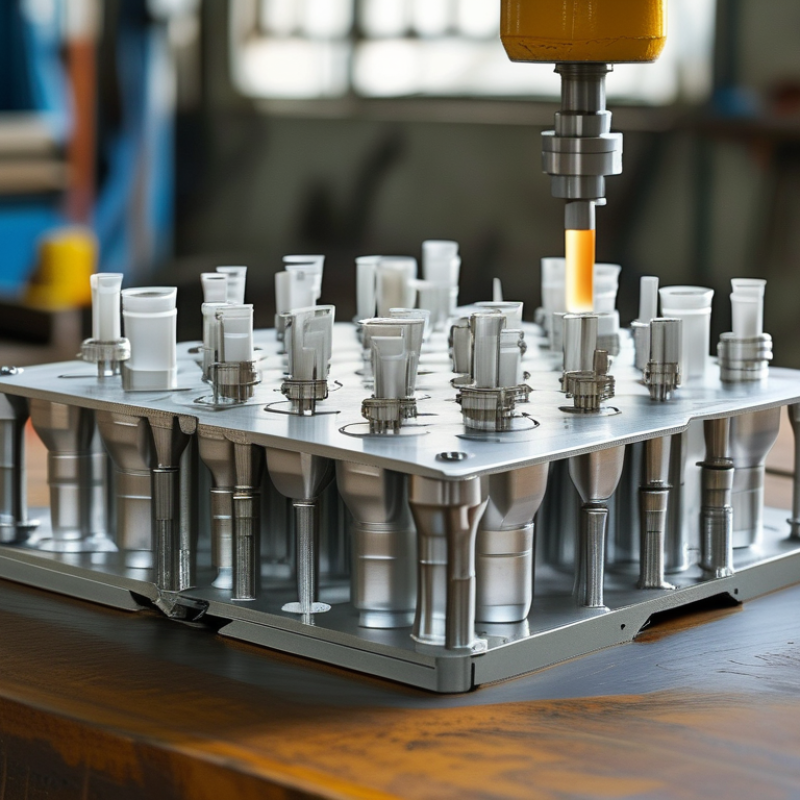
Top Extrusion Technologies in China: A Comprehensive Overview
China has emerged as a strong player in the global extrusion market. Many buyers look to China for cutting-edge extrusion technologies. These technologies cater to various industries, from packaging to automotive. Chinese manufacturers invest heavily in research and development. They seek to innovate and create efficient extrusion processes.
One popular technology is the co-extrusion process. This method allows for the production of materials with multiple layers. Each layer serves a different function. It can enhance strength, barrier properties, or aesthetics. Additionally, the use of twin-screw extruders is gaining traction. These machines offer better mixing and compounding abilities. However, not all manufacturers meet the same quality standards. It is crucial for buyers to evaluate suppliers carefully.
While many extrusion solutions are available, the choice can be overwhelming. Some processes may not suit every application. Buyers often face a learning curve when selecting the right technology. Therefore, understanding specific requirements is essential. As the industry evolves, staying informed about the latest trends becomes vital. This enables buyers to make more informed decisions.
Key Players in China's Extrusion Industry and Their Global Impact
China's extrusion industry is rapidly evolving, establishing itself as a global leader. Key players in this sector showcase expertise in producing various materials, including plastics and metals. Their innovations cater to diverse markets, from automotive to construction. This growth reflects China's focus on adopting advanced technologies and sustainable practices.
Many companies in China emphasize quality and efficiency. They invest in research and development to enhance their production processes. As a result, these manufacturers adapt to changing global demands while maintaining competitive pricing. However, some companies face challenges in meeting international standards. This can lead to inconsistencies in product quality.
The collaborative spirit within China's extrusion industry also stands out. Partnerships with global firms foster knowledge exchange and innovation. Yet, this industry must continually assess its environmental impact. Striking a balance between production and sustainability remains a critical consideration. The journey of China's extrusion industry is marked by both achievements and areas for improvement.
Market Trends: China's Extrusion Solutions for Various Industries
China has emerged as a powerhouse in extrusion solutions across various industries. The country’s rapid industrial growth has driven advancements in extrusion technology. Many industries benefit from these innovations, particularly plastics, food processing, and construction. China's focus on efficiency and sustainability has led to modern methods and practices.
For instance, the plastics industry is experiencing a shift towards eco-friendly materials. Extrusion processes are now incorporating biodegradable substances. This trend reflects a growing awareness of environmental issues. In food processing, extrusion technology enhances product quality and texture. Extruders help create snacks and cereals with better nutritional value. However, challenges remain in balancing speed with quality.
In construction, the use of extruded materials is on the rise. They provide structural integrity and design flexibility. Yet, companies must pay attention to regulatory standards. Compliance is crucial to avoid legal troubles. Adapting to these changing market demands requires ongoing investment in research and development. Overall, while China offers promising extrusion solutions, ongoing reflection on these challenges is essential for sustained success.
Technical Specifications: Comparing Quality Standards in Extrusion Products
In the global extrusion market, technical specifications are crucial for buyers seeking quality. Extrusion products are often assessed based on material strength, dimensional accuracy, and surface finish. Reports indicate that 70% of customers prioritize dimensional precision when selecting suppliers. This underscores the importance of adhering to stringent quality standards.
One notable aspect is material selection, which significantly affects extrusion performance. For instance, polyvinyl chloride (PVC) and polystyrene (PS) are common choices due to their favorable properties. However, inconsistencies in material quality can lead to production failures. A recent industry survey revealed that 30% of manufacturers experienced issues with raw material consistency, impacting overall output and customer satisfaction.
Moreover, the manufacturing process in China varies widely. While many facilities boast advanced technology, not all adhere to international quality assurance protocols. A study found that only 50% of Chinese extrusion manufacturers participate in recognized certification programs. This inconsistency can leave international buyers vulnerable to discrepancies in product quality. It’s vital for global buyers to conduct thorough research and engage with suppliers who demonstrate a commitment to quality assurance. Insights into technical specifications can serve as a guiding principle in this complex landscape.
Case Studies: Successful Global Partnerships in Chinese Extrusion Solutions
Extrusion solutions from China have gained prominence among global buyers. Many international firms seek collaboration with Chinese manufacturers to leverage advanced technology and cost efficiency. Case studies reveal that successful partnerships often stem from clear communication and mutual understanding. For instance, a European company worked closely with a Chinese extrusion provider to streamline production processes. This collaboration not only cut costs but also improved product quality significantly.
Working with Chinese extrusion experts often requires cultural sensitivity. Understanding negotiation styles and decision-making processes can make a difference. Establishing trust is vital. Regular meetings, even virtual ones, can help both sides align their goals and expectations.
When exploring partners, focus on their expertise and track record. Look for testimonials or case studies that highlight their successes. A strong portfolio indicates reliability. However, some companies might overpromise. It's essential to verify claims through references and possibly visit facilities. Ensure every step of the collaboration process is transparent. Remember, effective partnerships are built on realistic goals and open dialogues.
Top Professional Extrusion Solutions from China for Global Buyers
This bar chart illustrates the market share of extrusion solutions from China among various global buyers, highlighting the competitive landscape across different countries. Each bar represents the percentage of market share attributed to extrusion solutions in the respective country.
Conclusion
China has become a significant player in the global extrusion market, offering top professional extrusion solutions that cater to various industries. This comprehensive overview highlights the advanced extrusion technologies developed in China, showcasing key players in the industry and their impact on the global stage. The article also examines current market trends, emphasizing the adaptability of Chinese extrusion solutions to meet the demands of diverse sectors.
Furthermore, the discussion on technical specifications reveals how quality standards in extrusion products can vary, guiding buyers in making informed choices. Case studies illustrate successful global partnerships formed through professional extrusion, demonstrating the effectiveness and reliability of Chinese solutions in international markets. Overall, this article serves as a valuable resource for global buyers seeking innovative extrusion technologies from China.

 Baodie