In the ever-evolving landscape of manufacturing, plastic extruders play a critical role. Experts predict that by 2026, these machines will undergo significant transformations. Jane Doe, a leading authority in the plastic extrusion industry, emphasizes, "Innovation in plastic extruders is essential for meeting future demand." Her insight highlights the importance of staying updated on trends.
Recent advancements emphasize energy efficiency and sustainability. As buyer needs change, so do the capabilities of plastic extruders. The shift towards eco-friendly materials creates both opportunities and challenges. For instance, integrating biodegradable plastics can be complex but necessary for greener production.
Transitioning to cutting-edge technologies can seem daunting. Companies must balance investment with the potential for long-term gains. Understanding what’s on the horizon will help buyers make informed choices. Staying ahead of the trends in plastic extruders is not just advantageous; it’s a necessity for competitiveness.
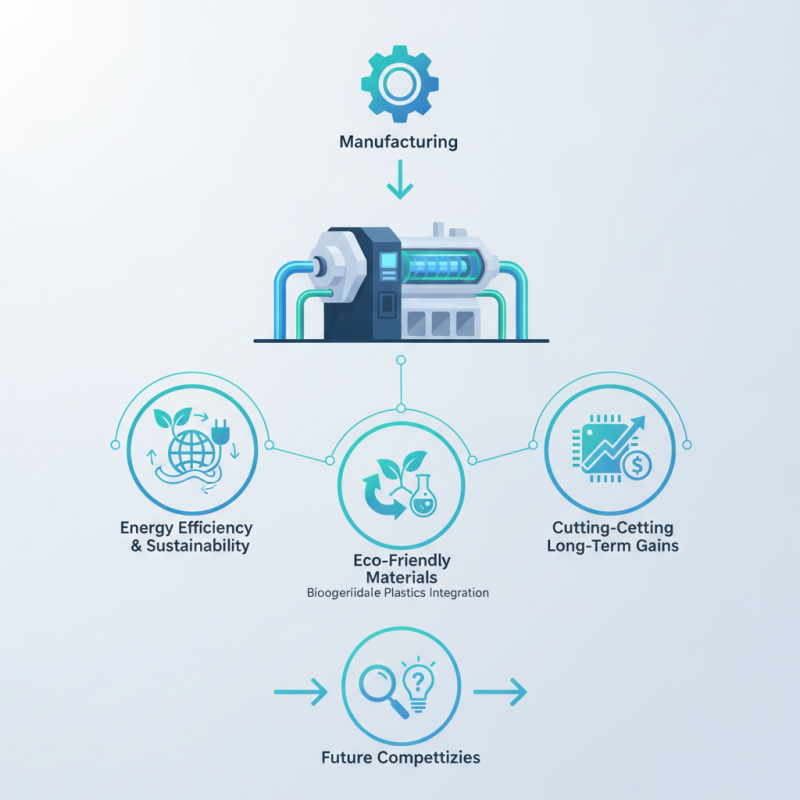
Emerging technologies in plastic extrusion are transforming the industry. In 2026, several trends will shape this field significantly. Additive manufacturing and smart automation are gaining traction. These innovations enhance efficiency and reduce waste. They also enable the production of complex shapes that were once impossible.
Integrating AI in extrusion processes is becoming popular. AI can optimize material flow and monitor quality in real time. This helps manufacturers reduce errors and improve operational efficiency. Additionally, sustainability is a key focus. Biodegradable materials are being explored as alternatives to traditional plastics. These advancements can lead to a greener future.
Tips: Embrace continuous learning. Stay updated on the latest technologies in plastic extrusion. Analyze how they can benefit your operations. Investigate partnerships with technology providers. Collaboration can help you stay competitive in a rapidly evolving market. Understanding consumer demands is also essential. As buyers become more eco-conscious, adapting to their needs will be crucial.
Sustainability is becoming a crucial factor in plastic extrusion manufacturing. The industry is feeling pressure from consumers and regulators to adopt greener practices. Many manufacturers are exploring bioplastics, which are derived from renewable resources. These alternatives can significantly reduce the carbon footprint compared to traditional plastics. However, the transition is not without challenges.
Recycling processes in extrusion are evolving. Closed-loop systems are being implemented to ensure that waste is minimized and reused. For instance, extruders can process scrap materials back into production. This helps to conserve resources and reduce costs. Still, the technology is not yet widely adopted, and manufacturers need to invest in training and equipment.
Transparency is vital in building trust with customers. It's essential for companies to communicate their sustainability efforts clearly. Yet, many still struggle to provide measurable results. This gap creates skepticism among buyers. Continuous improvement in sustainability practices is necessary. Failure to adapt may lead to losing market share in an increasingly eco-conscious landscape.
| Trend | Description | Impact on Sustainability | Adoption Rate (%) |
|---|---|---|---|
| Biodegradable Plastics | Increased use of biodegradable materials in extrusion processes. | Reduces plastic waste and environmental impact. | 35% |
| Energy-Efficient Machines | Adoption of machines that consume less energy during operation. | Lower carbon footprint and reduced operational costs. | 60% |
| Recycled Materials | Utilization of recycled plastics in new extrusion products. | Contributes to circular economy and waste reduction. | 50% |
| Smart Manufacturing | Integration of IoT and AI for better process optimization. | Enhances efficiency and reduces material waste. | 45% |
| Sustainable Packaging Solutions | Focus on creating packaging that minimizes environmental impact. | Promotes waste diversion and sustainable consumption. | 55% |
The plastic extrusion market is poised for significant changes in 2026. Key market drivers include sustainability, technological advancements, and shifting consumer preferences. According to a recent industry report, sustainable materials are projected to dominate the market, with over 40% of buyers prioritizing eco-friendly options.
Technological advancements play a crucial role as well. Innovations in extrusion equipment are making processes more efficient. Reports indicate that energy-efficient extruders can reduce energy consumption by up to 30%. However, the high initial investment in advanced machinery remains a barrier for some manufacturers. Balancing costs with the need for modernization will be a challenge.
Consumer preferences continue to evolve, leaning towards customized products. The demand for personalized plastic solutions is growing, leading to more flexible production schedules. Yet, many producers find it difficult to adapt quickly. This fluid environment requires companies to remain agile. Understanding these trends is essential for making informed purchasing decisions in the coming years.
In 2026, plastic extruders are expected to evolve significantly. Innovations in extruder design are at the forefront of this transformation. Research indicates that approximately 25% of manufacturers are adopting advanced materials, enhancing their durability and operational efficiency. These changes are driven by increasing demand for sustainable practices. Lightweight designs lead to reduced energy consumption.
Efficiency improvements are another key trend. Modern extruders leverage automation and smart technology. Reports suggest that automation can improve output by as much as 30%. However, integrating these technologies is not without its challenges. Many companies struggle with the transition, facing technical obstacles and training issues. Adopting new systems requires thoughtful approaches.
Furthermore, energy efficiency is a critical factor. Emerging designs focus on reducing waste and energy use. Studies show that optimizing temperature control can save up to 20% in energy costs. Nevertheless, achieving these savings necessitates investment and expertise. As the industry progresses, buyers must remain informed about these advancements. These changes can significantly impact their operational capabilities and cost structures.
When considering new extrusion equipment in 2026, buyers should assess several crucial factors. The demand for sustainability in manufacturing processes is growing. Modern extruders must be energy efficient and produce less waste. This not only lowers costs but also meets evolving regulatory standards.
Moreover, technology integration is essential. Smart machinery can enhance production efficiency and monitor performance in real-time. Buyers should look for extruders with advanced automation capabilities. Training staff on this technology can be a challenge. It requires time and resources, which some companies might underestimate.
It's important to evaluate suppliers' reputation and service offerings. Established suppliers often provide better support and comprehensive maintenance plans. However, new entrants may offer innovative solutions. Buyers might feel torn between innovation and reliability. It’s a balance that requires careful thought and reflection in the purchasing process.
: Additive manufacturing and smart automation are key technologies enhancing efficiency and reducing waste.
AI optimizes material flow and monitors quality in real time, reducing errors and improving efficiency.
Sustainability focuses on biodegradable materials, potentially leading to a greener future for the industry.
Advanced materials and lightweight designs are enhancing durability and reducing energy consumption significantly.
Automation in extruders can boost output by up to 30%, though challenges exist in integration.
Many struggle with technical obstacles and training issues during the transition to modern systems.
Optimizing temperature control can save up to 20% in energy costs, but requires investment.
Continuous learning and understanding consumer demands are crucial for adapting to market changes.
Understanding how new technologies can benefit operations helps companies maintain a competitive edge.
Advancements in technology and design, along with energy and cost efficiency, significantly influence capabilities.
In 2026, the landscape of plastic extrusion is set to evolve significantly, driven by emerging technologies and a strong focus on sustainability practices in manufacturing. The integration of advanced automation and smart manufacturing solutions is poised to improve efficiency in plastic extruder design, enhancing production capabilities while reducing waste. Moreover, buyers must be mindful of key market drivers that are shaping these trends, including the rising demand for eco-friendly materials and the continuous quest for operational excellence.
Investing in modern extrusion equipment means considering not just performance improvements but also the sustainability credentials of the plastic extruder. As the industry leans towards practices that minimize environmental impact, buyers are advised to evaluate machines for their energy consumption, recyclability, and overall contribution to a circular economy. Keeping abreast of these trends will empower buyers to make informed decisions that align with the future direction of the plastic extrusion market.

Baodie