In the modern era, the concept of "Pipe Line" plays a crucial role in global trade dynamics. A pipe line is not just a conduit for transporting goods. It symbolizes the interconnectedness of economies around the world. Flowing through various regions, a pipe line carries resources vital for production and consumption.
Understanding how pipe lines operate is essential for grasping their impact on international commerce. They facilitate efficient movement of natural gas, crude oil, and other commodities. Yet, there are challenges with pipe lines that require scrutiny. Environmental concerns and geopolitical tensions arise, affecting trade reliability. These factors can undermine the perceived stability of global markets.
Moreover, pipe lines are not fail-proof. No system is perfect, and vulnerabilities can lead to disruptions. As trade continues to evolve, rethinking how pipe lines integrate with technology is necessary. Questions about sustainability and ethical sourcing must be addressed. Ultimately, the effectiveness of pipe lines in global trade hinges on continuous improvement and adaptation.
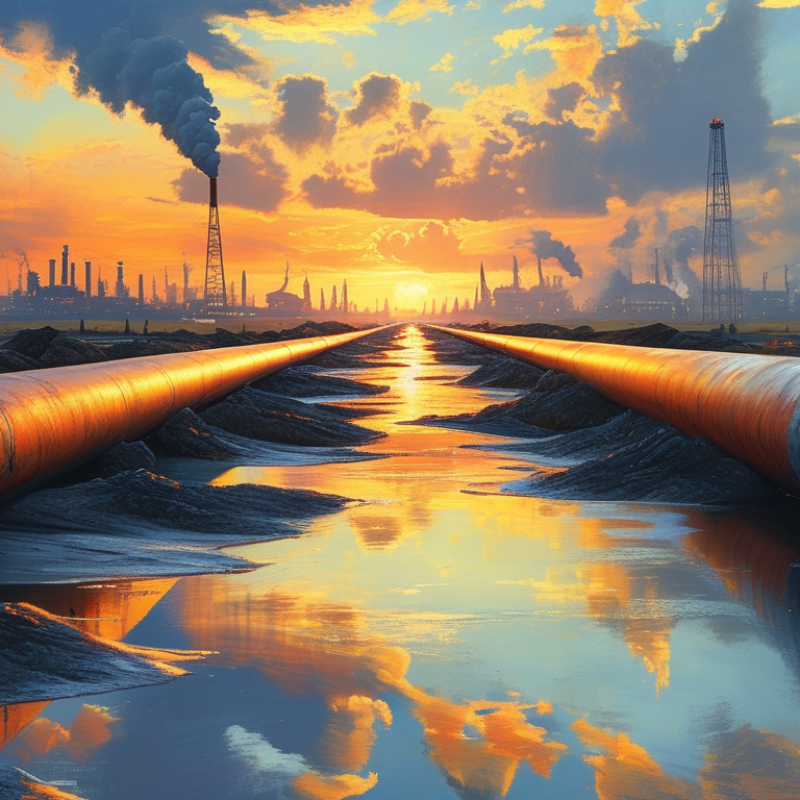
What is a Pipeline? Definition and Overview
A pipeline is a system designed to transport goods efficiently. In the context of global trade, pipelines primarily convey energy resources like oil and gas. They are engineered to move these resources over long distances. This results in reduced transportation costs and faster delivery times compared to traditional methods.
Pipelines consist of a series of interconnected tubes. These tubes typically span hundreds or thousands of miles. Throughout their routes, they traverse various terrains. This can pose challenges, like environmental factors or community concerns. In some regions, pipelines face significant opposition due to fears about leaks or environmental damage. These issues highlight the need for better risk management and planning.
The impact of pipelines on global trade is considerable. They facilitate the flow of energy, which supports industries worldwide. Efficient transportation keeps global markets stable. However, reliance on pipelines also poses risks. Disruptions due to damage or political tensions can lead to significant supply shortages. Addressing these vulnerabilities requires continuous innovation and investment.
Types of Pipelines: Oil, Gas, and Water Transport
Pipelines play a crucial role in global trade, facilitating the transportation of essential resources. Three primary types of pipelines are central to this operation: oil, gas, and water transport. Each type serves distinct purposes and has significant implications for trade dynamics.
Oil pipelines are vital for moving crude oil from production sites to refineries. According to the International Energy Agency (IEA), global oil demand reached approximately 100 million barrels per day in 2021. As a result, the efficiency of these pipelines directly impacts pricing and availability on the global market. Regions relying heavily on oil imports face challenges such as geopolitical tensions and infrastructure vulnerabilities.
Gas pipelines, on the other hand, transport natural gas for heating and electricity. The U.S. Energy Information Administration (EIA) reported that natural gas production increased to nearly 95 billion cubic feet per day in 2021. This surge necessitated a robust pipeline network to handle distribution. However, environmental concerns over leaks and emissions have led to debates about pipeline safety and sustainability.
Water transport pipelines ensure clean water supply and sanitation. Yet, aging infrastructure often poses risks and leads to contamination events.
In conclusion, while pipelines enhance efficiency and accessibility for global trade, they also raise environmental and safety challenges.
Balancing these issues is key for the future.
The Role of Pipelines in Global Supply Chains
Pipelines play a crucial role in global supply chains. They facilitate the movement of
oil, gas, and other materials across vast distances.
According to a report from the International Energy Agency, pipelines transport approximately
60% of the world’s oil and gas. This statistic highlights their importance in ensuring
energy security and meeting global demand.
However, pipelines also present challenges. Environmental concerns arise from leaks and spills, impacting local ecosystems.
In a study by the World Resources Institute, more than 1,500 significant oil spills were reported worldwide from 2000 to 2020.
This data emphasizes the need for better monitoring and maintenance practices in the pipeline industry.
Tips:
- Regular inspection and advanced technology can help reduce incidents.
- Collaborating with local communities to build trust is essential.
- Companies should also invest in training programs for workers to enhance safety protocols.
Addressing these issues will strengthen the role of pipelines in global trade while prioritizing
safety and sustainability.
Impact of Pipelines on International Trade and Economics
Pipelines are crucial for global trade, especially in transporting oil, gas, and other resources. They form a network that connects producers to consumers, facilitating the movement of goods across borders. According to the International Energy Agency, global oil demand could reach 104 million barrels per day by 2026. Pipelines must keep pace with this increasing demand.
The impact of pipelines on international trade extends beyond mere logistics. They influence global prices and economic stability. For example, a report from the World Bank suggests that a single pipeline project can affect regional economies significantly. Economic corridors can emerge around these routes, boosting trade and investment. However, infrastructure is costly and must be maintained. Challenges in financing often arise, leading to long delays or project cancellations.
Environmental concerns also affect pipeline development. Many projects face opposition from communities and activists. Balancing economic benefits with environmental impact proves difficult. Without sustainable practices, long-term outcomes may reflect poorly on industries involved. Therefore, while pipelines are vital, they also demand careful consideration of their broader social and economic implications.
Impact of Pipelines on Global Trade
Environmental Considerations and Challenges of Pipeline Projects
Pipeline projects play a crucial role in global trade, but they are not without significant environmental challenges. According to a report by the International Energy Agency (IEA), 70% of the world's oil and gas is transported via pipelines. This method can reduce transportation emissions compared to trucks or ships, yet pipeline construction often disrupts ecosystems. For instance, the U.S. Environmental Protection Agency (EPA) noted that oil spills from pipelines can lead to severe habitat destruction.
Local communities frequently voice concerns about the impact of pipelines on their land and water resources. A study by the National Wildlife Federation shows that over 1,000 significant spills occurred in the U.S. since 2010 alone, raising alarms about safety and environmental responsibility. While industry advocates argue that modern technologies can minimize these risks, the ongoing incidents highlight the need for comprehensive assessments before project approvals. The balance between economic gain and environmental stewardship remains a contentious debate.
Mitigating environmental risks requires collaboration among governments, companies, and local stakeholders. Transparent communication about potential hazards is essential. Additionally, implementing stricter regulations and adopting innovative monitoring technologies can enhance pipeline safety. However, achieving success in these areas requires a commitment that extends beyond profit margins, reflecting a growing sensitivity to environmental impacts.
What is Pipe Line and How Does it Impact Global Trade? - Environmental Considerations and Challenges of Pipeline Projects
| Pipeline Type |
Length (km) |
Capacity (million barrels/day) |
Countries Involved |
Environmental Risks |
| Crude Oil Pipeline |
5000 |
3.0 |
USA, Canada |
Oil-spills, water contamination |
| Natural Gas Pipeline |
3000 |
4.5 |
Russia, Europe |
Greenhouse gas emissions |
| Water Pipeline |
1500 |
N/A |
Various |
Ecosystem disruption |
| Product Pipeline |
2500 |
2.0 |
USA, Mexico |
Chemical leaks |
FAQS
: A pipeline is a system designed to transport goods, primarily energy resources like oil and gas.
Pipelines facilitate energy flow, support industries, and stabilize global markets. They reduce costs and delivery times.
The main types are oil, gas, and water transport pipelines. Each type serves different purposes in trade.
They face environmental concerns, community opposition, and potential operational risks like leaks and disruptions.
Efficient oil pipelines influence global pricing and availability, crucial for regions reliant on oil imports.
Leaks and spills can harm local ecosystems, making monitoring and maintenance vital for safety.
Regular inspections can help prevent incidents and enhance safety, reducing environmental risks and enhancing community trust.
Companies should invest in worker training and advanced technology to minimize risks and ensure safe operation.
Pipelines transport approximately 60% of the world's oil and gas, making them essential for energy security.
Communities worry about potential leaks and the environmental impact, which necessitates better communication and cooperation.
Conclusion
A pipeline is a specialized infrastructure designed for the efficient transport of various resources, primarily oil, gas, and water. These pipelines play a vital role in global supply chains by ensuring the steady movement of energy and essential commodities across countries, facilitating trade and economic growth. From oil pipelines that fuel industries to gas pipelines that provide essential energy, the effectiveness of these systems significantly influences international markets.
However, the development of pipelines also presents environmental challenges and considerations. Projects can encounter opposition due to potential ecological impacts such as habitat disruption and pollution. Despite these challenges, pipelines remain crucial in shaping global trade dynamics, as they are integral in meeting the energy demands of nations and enhancing economic interconnectivity. Understanding the multifaceted role of pipelines helps highlight their importance in contemporary global commerce.

 Baodie