As we approach 2026, the landscape of Extrusion Technology is set to experience transformative changes. Industry experts agree on the growing importance of innovation in this field. Dr. Alice Johnson, a renowned expert in Extrusion Technology, states, "Adaptation will be key to thrive in the evolving market." Her insights highlight the need for companies to embrace new methods and materials to stay competitive.
Emerging trends are reshaping the scope of production. Companies are now prioritizing sustainability and energy efficiency. Advanced machinery incorporating AI technology is enhancing precision and reducing waste. For instance, extrusion systems are being designed to maximize throughput while minimizing energy consumption. However, these advancements also bring challenges. The initial investment can be significant, and not all businesses have the resources to pivot quickly.
The influence of digitalization cannot be overlooked. Smart factories are beginning to utilize real-time data analytics. This shift can improve decision-making processes and enhance overall production efficiency. Yet, the integration of these technologies requires a skilled workforce, which is a concern for many companies. Keeping pace with these trends in Extrusion Technology is crucial for long-term success.
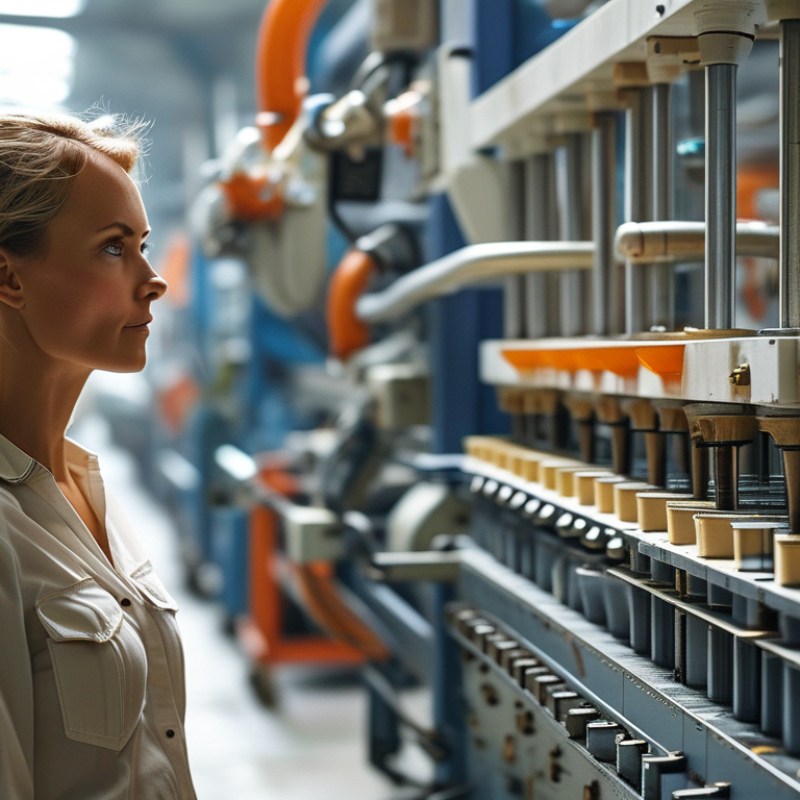
The emergence of advanced alloys in extrusion processes is reshaping the manufacturing landscape. Companies are now exploring aluminum-lithium and magnesium-lithium alloys. These materials offer improved strength-to-weight ratios, making them ideal for aerospace applications. However, developing these alloys can be challenging. Their unique properties require precise control during the extrusion process.
Another development is the integration of additive manufacturing techniques. This combination can enhance the properties of extruded parts. For example, it allows for tailored mechanical properties. Yet, there is a learning curve. Not all equipment easily adapts to these new methodologies.
Quality control also demands attention. The new alloys can exhibit different flow characteristics, complicating the extrusion process. Manufacturers must refine their techniques to ensure reliability. The incorporation of advanced alloys presents exciting possibilities, but it comes with hurdles that require constant innovation and adaptation.
| Trend | Description | Impact on Industry | Expected Adoption Year |
|---|---|---|---|
| Increased Use of Lightweight Alloys | Focus on reducing weight without compromising strength. | Enhanced fuel efficiency in automotive and aerospace. | 2026 |
| Development of Nano-Alloys | Alloys engineered at the nanoscale for superior properties. | Potential for high-performance applications in electronics. | 2026 |
| Adoption of Digital Twin Technology | Simulations to optimize the extrusion process digitally. | Increased efficiency and reduced material waste. | 2025 |
| Sustainable Alloy Development | Creating alloys with recycled materials to minimize environmental impact. | Improved brand reputation and compliance with regulations. | 2026 |
| 3D Printing Integration with Extrusion | Combining extrusion with 3D printing to create complex geometries. | Broader design possibilities and customized solutions. | 2026 |
: A major shift towards eco-friendly practices is driving sustainability. Companies aim to reduce waste and energy consumption.
Advanced recycling methods reshape post-consumer plastics into raw materials. This approach conserves resources and cuts landfill waste.
Companies are exploring plant-based materials as alternatives to traditional plastics. However, performance differences can complicate development.
They consume less power but maintain productivity. Initial investment costs can be a significant barrier for some companies.
Automation enhances productivity and minimizes human errors. Experts predict over 50% of lines will be automated by 2026.
Robotics can improve production efficiency by 30%. They can manage repetitive tasks and help ensure quality and consistency.
Significant training and maintenance investments are needed. Initial costs can be daunting, and some may struggle with integration.
Workers must learn new roles in tandem with machines. Human oversight is still vital, especially in complex tasks.
Continuous assessment ensures that each sustainable step is effective. This iterative process is key for real change and improvement.
Companies should evaluate their readiness for automation. Balancing innovation with workforce capabilities is crucial for success.
The article "Top Extrusion Technology Trends to Watch in 2026" explores several pivotal advancements shaping the future of extrusion technology. One significant trend is the emergence of advanced alloys, which enhance performance and versatility in various applications. Additionally, the integration of artificial intelligence and machine learning promises to optimize extrusion processes, leading to increased efficiency and reduced waste.
Sustainability is another key focus, as the industry increasingly prioritizes eco-friendly practices and materials. Furthermore, automation and robotics are revolutionizing extrusion lines, ensuring higher precision and productivity. Lastly, innovations in equipment and machinery design are paving the way for improved capabilities and flexibility within the extrusion technology landscape. Together, these trends indicate a transformative period for the industry, driven by technological advancements and sustainability goals.

 Baodie