Essential Tips for Successful Tpv Extrusion Process?

Time:2026-07-03 Author:Oliver
0%

The Tpv Extrusion process is crucial in producing high-quality thermoplastic vulcanizates. Recent industry studies indicate that Tpv Extrusion technology has seen a 35% increase in effectiveness over the past five years. This growth emphasizes the importance of mastering this process to enhance product performance and reliability.

Dr. Sarah Thompson, a renowned expert in polymer engineering, highlights, "Understanding the nuances of Tpv Extrusion can significantly impact the final product quality." This statement resonates with many professionals in the field, as optimizing this process can lead to higher efficiency and lower material wastage.

However, the Tpv Extrusion process is not without challenges. Operators often face issues with temperature control and material flow. These factors can lead to inconsistencies in the final products, which underscores the need for continuous improvement and education in extrusion techniques. Embracing these challenges can ultimately lead to more innovative solutions in the industry.
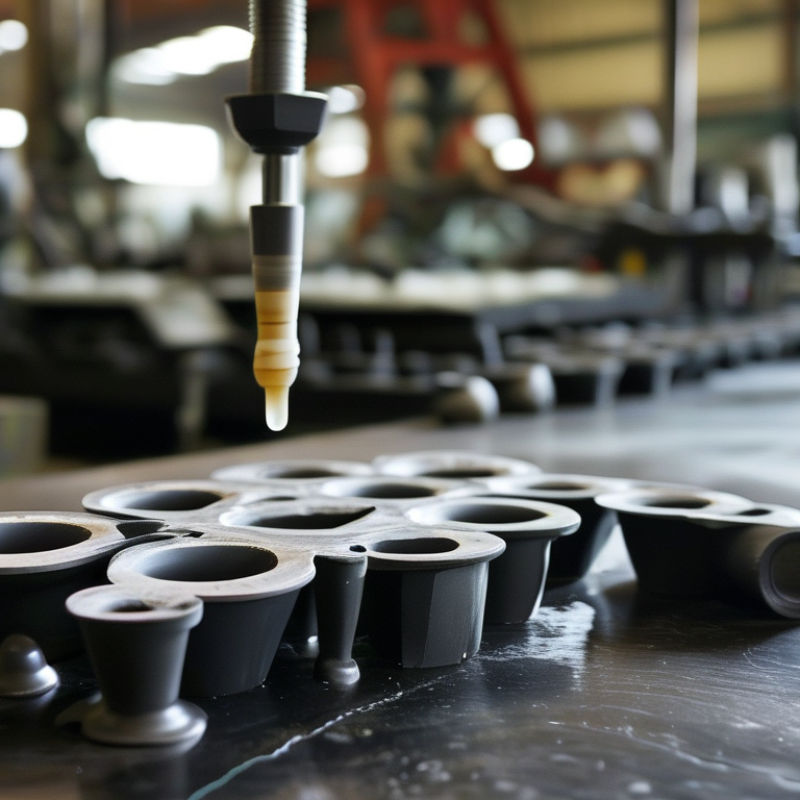
Essential Tips for Successful Tpv Extrusion Process?

Understanding Tpv Extrusion: A Comprehensive Overview

The TPV extrusion process is critical in shaping high-performance materials. It involves heating and forming thermoplastic vulcanizates, which are known for their flexibility and durability. This process begins with the careful selection of the right compound. The choice of raw materials affects the overall quality of the final product. It’s essential to consider the temperature, pressure, and cooling rates to achieve optimal results.

During extrusion, the flow behavior of the TPV material is crucial. Understanding viscosity and how it changes with temperature can help in controlling the process. A slight deviation can lead to defects like bubbles or uneven thickness. Monitoring these factors is a constant challenge and requires attention to detail. Operators should be well-trained to recognize these issues early on.

Another important aspect is the die design. The shape and dimensions of the die can significantly influence the extrudate's characteristics. It's often a trial-and-error process to find the best configuration. Even small design changes can yield different outcomes. Successful TPV extrusion demands a balance between expertise and adaptability. Continuous improvements and learning from past mistakes are vital in refining this process.

Essential Tips for Successful Tpv Extrusion Process

Tip Description Importance Best Practices
Material Selection Choose high-quality thermoplastic vulcanizate (TPV) materials to ensure optimal processing. High Conduct thorough material testing and compatibility checks.
Temperature Control Maintain consistent barrel and die temperatures to avoid material degradation. Critical Utilize precision temperature control systems.
Extrusion Speed Adjust the extrusion speed to match the cooling rate of the TPV. Medium Conduct trials to determine optimal speeds.
Quality Control Implement frequent quality checks during the extrusion process. High Use standardized measurement techniques and tools.
Die Design Ensure that the die is designed to provide an even flow of the material. Very High Invest in custom die solutions tailored to your product specifications.

Key Materials Used in Tpv Extrusion Process

The TPV extrusion process relies heavily on specific materials that determine the quality and performance of the final product. Thermoplastic vulcanizates (TPVs) are key in this process. They are blends of elastomers and thermoplastics, offering flexibility and durability. The right selection of TPVs can enhance the material's resistance to weather and aging, making them suitable for various applications.

Another crucial material is the processing aid. These additives optimize flow and reduce friction during extrusion. Properly chosen aids can streamline the process, leading to a more efficient production line. Yet, choosing the wrong type may lead to defects, requiring careful consideration and testing.

Fillers and reinforcing agents also play significant roles. They can enhance mechanical properties and reduce material costs. However, overusing these materials can compromise the final product's integrity. It's essential to balance their application, ensuring that the extruded TPV meets functional and aesthetic requirements. The material selection needs to be thoughtful, as each choice impacts the processing and performance of the product.

Essential Equipment for Efficient Tpv Extrusion

The TPV extrusion process requires specific equipment to achieve optimal results. A powerful extruder is essential. It must provide consistent temperature control and pressure. This ensures the proper melting of materials. Without accurate control, defects may occur in the final product.

Additionally, the die is crucial for shaping the material. The design must match the application requirements. A poorly designed die can lead to uneven flow. This could compromise the quality of the TPV. It’s also vital to have a cooling system. Effective cooling helps set the product’s shape and prevents deformation.

Lastly, auxiliary equipment plays a significant role. Accessories such as conveyors and feeders streamline the process. However, many facilities overlook the maintenance of this equipment. Neglect can result in downtime and increased costs. Investing in reliable equipment can enhance efficiency and output. Regular checks are necessary to keep everything functioning smoothly.

TPV Extrusion Process: Essential Equipment Efficiency

Step-by-Step Guide to Optimize Tpv Extrusion Parameters

Optimizing the TPV extrusion process can significantly enhance product quality and efficiency. Start by selecting the appropriate materials with a compatible melt flow index. A recent industry report indicated that a 5% increase in melt flow can improve processing efficiency by up to 20%. This adjustment can lead to lower energy consumption and reduced cycle times.

Temperature settings play a crucial role in the extrusion process. Ensure that the extrusion temperature aligns with the thermal properties of your TPV material. It’s essential to monitor temperature fluctuations closely. Studies show that even a 2°C deviation can impact the physical properties of the finished product. Make frequent adjustments based on real-time measurements for optimal results.

Don’t overlook the significance of screw design and speed. The right combination can influence material shear, which affects molecular orientation. Experimenting with different screw geometries may yield insights into your process. Consider what mix of speed and torque offers the best balance. Keeping a detailed log of these variations is crucial for continuous improvement. Remember, each adjustment should be methodical to prevent oversights.

Common Challenges and Solutions in Tpv Extrusion Process

The Tpv extrusion process is not without its challenges. One common issue is inconsistencies in the material feed. Properly managing the feeding system is crucial. Variations in material size and batch quality can lead to uneven flow rates. This could ultimately affect the final product's quality. Regular checks on material specifications help in maintaining uniformity.

Another frequent challenge involves temperature regulation. Maintaining the ideal temperature can be tricky. Insufficient heat can result in poor extrusion, while excessive heat may degrade the material. Implementing automated temperature control systems is advisable. Monitoring heat distribution across the extruder can also prevent uneven results.

Finally, die wear can impact production efficiency. Continuous use can lead to wear and tear, affecting the extrusion shape. Regular inspections should be part of a standard maintenance routine. Replacement schedules must be established to minimize downtime. Addressing these issues promptly helps maintain consistent production and quality in the TPV extrusion process.

FAQS

: What materials should be selected for the TPV extrusion process?

: Choose materials with a compatible melt flow index for better processing efficiency and product quality.

How does melt flow percent impact efficiency?

A 5% increase in melt flow can improve processing efficiency by up to 20%, reducing energy consumption.

Why are temperature settings important in TPV extrusion?

The extrusion temperature must match the thermal properties. A 2°C deviation can affect product quality.

How can I monitor temperature accurately?

Closely monitor temperature fluctuations and adjust based on real-time measurements for optimal results.

What role does screw design play in the extrusion process?

Screw design affects material shear and molecular orientation. Experiment with different geometries for insights.

What are common challenges in the TPV extrusion process?

Inconsistent material feed, temperature regulation, and die wear are common challenges that can affect quality.

How can I manage material feed issues?

Regularly check material specifications and manage the feeding system to maintain uniform flow rates.

What can happen with improper temperature regulation?

Insufficient heat may lead to poor extrusion, while excessive heat can degrade the material quality.

How often should die wear be inspected?

Regular inspections and established replacement schedules will help minimize downtime and maintain quality.

What adjustments should be made for continuous improvement?

Keep a detailed log of adjustments in screw design and speed to identify effective combinations for better results.

Conclusion

The TPV extrusion process is a crucial manufacturing technique that involves the transformation of thermoplastic vulcanizates into usable products. Understanding the key materials, which typically include a combination of rubber and plastic, is essential for achieving desired properties in the final output. Essential equipment like extruders, molds, and cooling systems play a significant role in ensuring efficiency and product quality.

To optimize the TPV extrusion parameters, a step-by-step approach can be employed, focusing on factors such as temperature, pressure, and screw design. However, common challenges may arise during the process, such as material inconsistencies and equipment malfunctions. Addressing these issues with effective solutions is vital for maintaining a smooth and successful TPV extrusion operation. By mastering these elements, manufacturers can enhance productivity and ensure high-quality outcomes in their TPV extrusion processes.


Oliver

Oliver

Oliver is a seasoned marketing professional with a wealth of expertise in driving brand awareness and engagement. With a deep understanding of our company's product offerings, he consistently delivers high-quality content that enriches our professional blog. His insights not only shed light on......