10 Essential Tips for Choosing an Automotive Sealing Extrusion Line?

Time:2026-06-30 Author:Oliver
0%

When selecting an Automotive Sealing Extrusion Line, careful consideration of various factors is crucial. The right equipment can significantly enhance production efficiency. Understanding the unique needs of your operation is key. Automakers require sealing solutions that meet stringent quality standards. This makes choosing the appropriate extrusion line a critical task.

Many aspects influence your decision. The line's capacity, precision, and flexibility are vital. Evaluating specific features that cater to automotive applications is essential. Furthermore, consulting with industry experts may help uncover valuable insights. Many choices are available, but not all will suit your operational needs.

Mistakes can happen. It is common to overlook essential details during the selection process. Reflecting on past experiences can guide better decision-making. Ultimately, investing time in research and expert consultation will lead to a more informed choice. A well-selected Automotive Sealing Extrusion Line can bolster your production and ensure product quality.
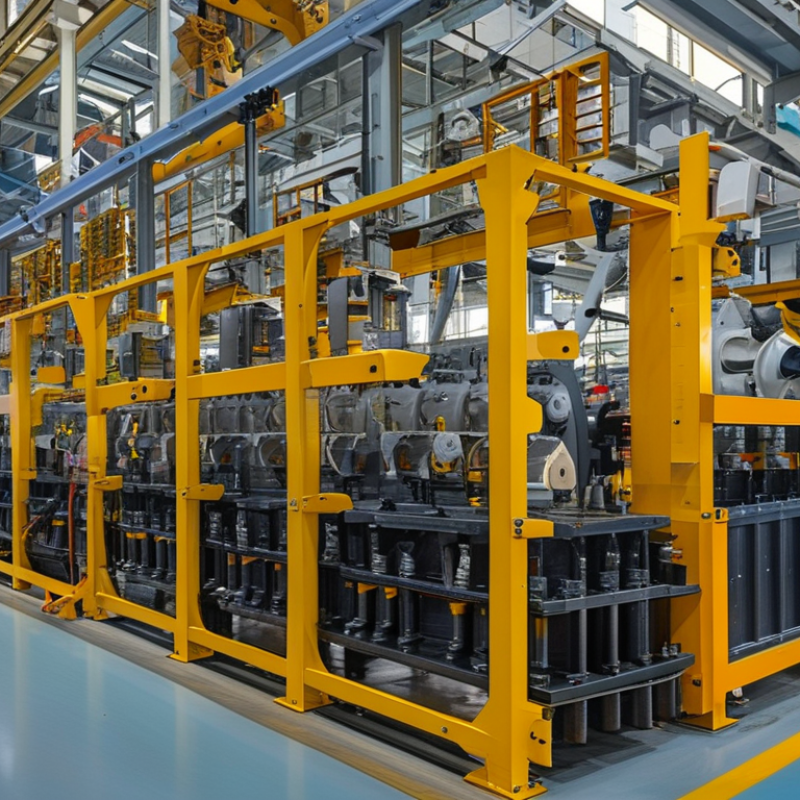
10 Essential Tips for Choosing an Automotive Sealing Extrusion Line?

Factors Influencing the Selection of an Automotive Sealing Extrusion Line

Choosing the right automotive sealing extrusion line requires careful consideration of various factors. One key element is production volume. High-volume production demands a robust and efficient line to ensure consistent quality. The line's speed should match your projected output. Additionally, versatility is crucial. The ability to handle different materials and profiles expands your operational capabilities.

Another critical aspect is the technology used in the extrusion line. Advanced machinery can lead to better precision and lower scrap rates. It's vital to evaluate the automation level of the equipment. More automated systems can reduce labor costs but may require higher upfront investments. Communication with machine manufacturers can provide insights into the latest technologies available.

Don't overlook the importance of support and service. Reliable after-sales support ensures minimal downtime during production issues. Training for your operators can be crucial. Sometimes, new equipment can feel overwhelming. Balancing the complexity of the machine with operator skill levels is necessary. Reflect on your team’s readiness for a learning curve. Consider these components seriously. They often make the difference between a successful operation and one that struggles.

Types of Materials Compatible with Automotive Sealing Extrusion Processes

When selecting an automotive sealing extrusion line, understanding the materials compatible with these processes is vital. Generally, automotive sealing applications utilize materials such as EPDM, PVC, and TPE. These materials are favorable due to their excellent sealing properties, durability, and resistance to harsh environmental conditions. For example, EPDM rubber is widely used for its superior resistance to heat and UV exposure, making it an ideal choice for automotive seals.

A report by Market Research Future indicated that the global automotive sealing market was expected to surpass $52 billion by 2025. This growth is largely driven by the increasing demand for lightweight and energy-efficient vehicles. It suggests that manufacturers need to consider the types of materials carefully. For instance, TPEs can provide enhanced flexibility and elasticity. However, they may encounter challenges with temperature resistance compared to other materials.

Moreover, using the wrong material can result in performance failures. Consideration must be made on the operating temperature and chemical exposure. Some TPEs, while versatile, may not perform well in extreme conditions. This can lead to seal degradation, impacting vehicle integrity. Thorough testing on material properties is essential for ensuring optimal performance in varying environments. In conclusion, selecting the right material is not just about cost but also about durability and reliability in the long run.

Material Compatibility with Automotive Sealing Extrusion Processes

Understanding the Production Capacity Requirements for Your Manufacturing Needs

When selecting an automotive sealing extrusion line, understanding production capacity is crucial. A recent industry report states that manufacturers often overlook capacity assessments. Ignoring this can lead to inefficiencies. Inconsistent production levels can affect delivery times.

Typical automotive sealing extrusion lines fluctuate in capacity, generally ranging from 1,000 to 10,000 units per shift. Many factors influence this range. They include material type, complexity of the design, and operational efficiency. Sizing your equipment to match your demand is essential, especially as the automotive sector faces growing customizations.

Companies should assess their peak production needs, not just average demands. A miscalculation here can create bottlenecks. Moreover, many manufacturers rely on outdated data during this process. This practice can lead to costly downtime and excess inventory. Capacity planning must evolve with market trends to ensure agility.

Evaluating the Technology and Features of Extrusion Equipment

When evaluating the technology and features of extrusion equipment for automotive sealing, focus on specific metrics and capabilities. Key factors include production speed, temperature control, and the materials used. The right equipment should accommodate diverse material types, including thermoplastics and elastomers, essential for effective seals. According to industry reports, firms that prioritize advanced temperature control systems can enhance the quality of the extrusions significantly.

Consider this tip: assess how well the extrusion line integrates with existing processes. A seamless flow can reduce waste, leading to higher efficiency. Another aspect to evaluate is the versatility of the equipment. A flexible design allows for adjustments in thickness and profile, catering to various sealing applications. It’s crucial to balance between automation features and manual control. While automation boosts efficiency, manual options provide customization that might be necessary.

Don’t overlook the importance of serviceability. Availability of spare parts and technical support can impact productivity. Regular maintenance schedules should be factored into your evaluation. In recent studies, companies that maintain their equipment properly report a reduction in downtime by up to 30%. These factors collectively enhance operational reliability.

10 Essential Tips for Choosing an Automotive Sealing Extrusion Line

Feature Description Importance
Material Compatibility Ensure the extrusion line can handle a variety of sealing materials, such as rubber, PVC, or silicone. High
Production Capacity Evaluate the output rate and whether it meets your production demands. Critical
Technology Used Check for modern technologies that enhance efficiency and quality, like automation and real-time monitoring. High
Flexibility The ability to quickly adjust settings for different profiles or materials. Moderate
Energy Efficiency Consider machines that optimize energy use to reduce operational costs. High
Ease of Maintenance Look for designs that facilitate quick maintenance and reduce downtime. Moderate
Size and Footprint Consider the space available in your facility for installing the extrusion line. Important
Cost of Ownership Assess both initial purchase price and long-term operating costs. Critical
Support and Training Ensure that adequate support and training are provided for operators. High
User Reviews Research feedback and reviews from existing users about performance and reliability. Important

Maintenance and Support Considerations for Extrusion Line Longevity

Choosing the right automotive sealing extrusion line is crucial for efficiency and durability. Maintenance plays a significant role in extending the lifespan of these systems. A properly maintained extrusion line can last significantly longer, often exceeding ten years with the right care. According to industry reports, nearly 80% of extrusion failures stem from inadequate maintenance practices.

Regular inspection of components is vital. Worn-out screws or damaged dies can lead to production inefficiencies. Implementing routine checks can prevent severe disruptions. A straightforward maintenance checklist can drastically improve outcomes. For instance, replacing seals and lubricating bearings should be routine, not reactive measures. Surprisingly, many facilities overlook these tasks, resulting in costly downtimes. Statistical data suggests that companies with proactive maintenance see a 30% reduction in unexpected breakdowns.

Support considerations are equally important. Training operators on best practices helps in managing issues that may arise. Companies that incorporate training programs report a 25% increase in production quality. Furthermore, having a reliable support network is essential for troubleshooting. When technicians are undertrained, even minor issues can escalate. Overall, investing time and resources in upkeep can yield substantial benefits, improving both productivity and profitability in the long run.

FAQS

: What is the importance of production volume in selecting an extrusion line?

: Production volume affects the robustness and efficiency required for consistent quality.

How can production capacity assessment impact manufacturing?

Ignoring production capacity can lead to inefficiencies and delivery delays.

What range of production capacity do typical extrusion lines have?

They usually range from 1,000 to 10,000 units per shift, depending on various factors.

Why is technology evaluation crucial for extrusion equipment?

Advanced technology boosts precision and reduces scrap rates, enhancing production quality.

How does automation affect labor costs?

More automation can lower labor costs but requires higher initial investments.

What should manufacturers consider regarding operator training?

Proper training is essential, especially if new equipment has a steep learning curve.

Why is serviceability an important factor in equipment selection?

Easy access to spare parts and support impacts productivity and reduces downtime.

How can outdated data affect production capacity planning?

Relying on outdated data can lead to costly downtime and unnecessary inventory.

What role does temperature control play in extrusion quality?

Advanced temperature control systems significantly enhance the quality of extrusions.

Why is material versatility important in extrusion lines?

The ability to handle different materials accommodates various sealing applications.

Conclusion

When selecting an Automotive Sealing Extrusion Line, several critical factors come into play. It’s essential to consider the type of materials compatible with the extrusion processes, as this directly influences the quality and performance of the final product. Understanding the production capacity requirements for your manufacturing needs is also crucial, ensuring that the chosen line meets both current and future demands.

Additionally, evaluating the technology and features of the extrusion equipment can help streamline operations and enhance efficiency. Lastly, maintenance and support considerations are vital for ensuring the longevity and reliability of the Automotive Sealing Extrusion Line, allowing businesses to minimize downtime and maximize productivity. By addressing these aspects, manufacturers can make informed decisions that contribute to successful production outcomes.


Oliver

Oliver

Oliver is a seasoned marketing professional with a wealth of expertise in driving brand awareness and engagement. With a deep understanding of our company's product offerings, he consistently delivers high-quality content that enriches our professional blog. His insights not only shed light on......