Choosing the right extrusion pelletizing system is crucial for efficient production. This decision impacts the quality of end products and operational costs. Understanding extrusion pelletizing requires a blend of experience and technical knowledge.
In today's market, various systems offer different features. You may feel overwhelmed by the choices available. It is essential to consider factors like material type and production scale. Systems vary in precision and efficiency. A poorly chosen system can lead to waste and downtime.
Investing time in research is vital. Industry experts emphasize the need for a well-planned evaluation. Seek advice from professionals who understand your specific needs. This approach can prevent costly mistakes and improve production outcomes. Reflecting on past decisions can lead to better future choices in extrusion pelletizing.
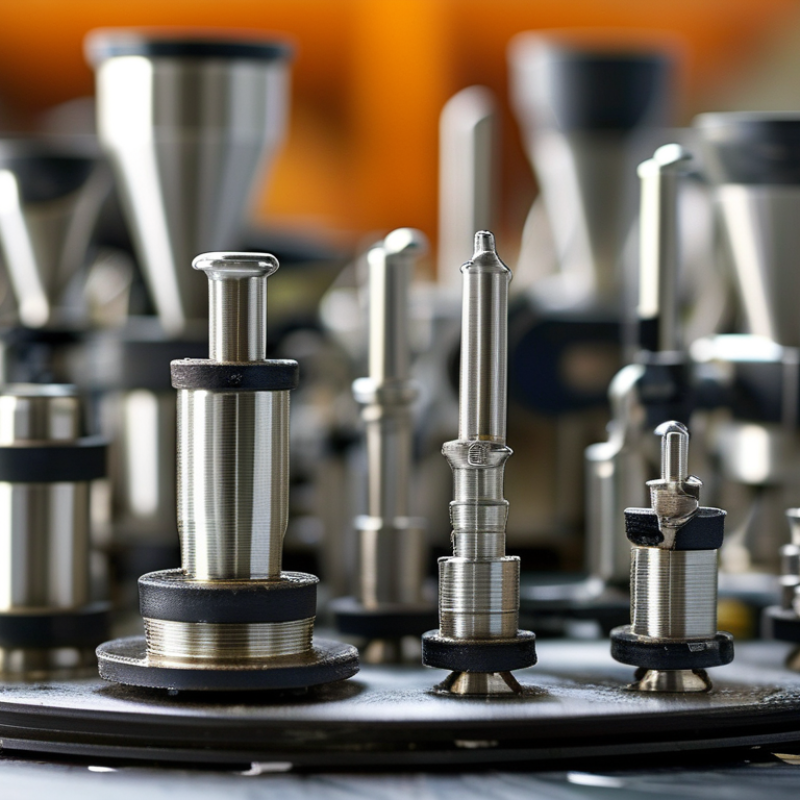
Extrusion pelletizing systems play a crucial role in various industries, primarily in plastics and polymers. These systems enable the transformation of raw materials into consistent and usable pellet forms. Understanding how these systems work can significantly improve operational efficiency and product quality.
In extrusion pelletizing, the material is typically melted and forced through a die. The choice of die design greatly influences pellet shape and size. Factors such as cooling methods, material properties, and operational speed also impact the final product. For instance, water cooling can be effective for rapid cooling, while air cooling might suit other materials better. Each approach has its pros and cons, making it essential to evaluate them carefully.
Choosing the right system involves analyzing production needs and material characteristics. A system too small will lead to inefficiencies. Conversely, an oversized system could waste resources and energy. Knowledge from past projects can inform decisions, but it's valuable to remain open to adjustments based on real-time results. Continuous improvement is paramount; reflecting on past choices helps optimize future operations in this dynamic field.
When selecting a pelletizing system, several key factors must be considered. The material to be processed is crucial. Different materials require unique settings. Understanding the material's properties will guide your choice in machine specifications. It's essential to assess the scalability of the system too. Consider how your production needs may change over time.
Tips: Always evaluate the supplier's support. A manufacturer with a history of excellent service will provide peace of mind. Look for systems that offer flexibility in operation. This allows for adjustments as production demands evolve.
Energy efficiency is another vital aspect. It impacts operational costs greatly. Efficient systems may have a higher initial cost but will save money long-term. Moreover, examine the maintenance requirements. Systems that are easier to maintain can reduce downtime. This emphasizes the need for reliability in your chosen equipment.
Choosing the right pelletizing system requires careful thought. Everyone’s production needs are different. Reflect on your priorities and ask questions. Getting the wrong system can have costly consequences.
When it comes to extrusion pelletizing systems, various types fit different applications. Understanding these is crucial for manufacturers. Single-screw extruders are widely used in plastics processing. They excel in compounding and blending materials. However, they may not handle certain materials well. They can struggle with moisture-sensitive components.
On the other hand, twin-screw extruders provide superior mixing capabilities. They are ideal for difficult-to-process materials. This flexibility allows for better control over the product quality. Yet, they can be more expensive and complex to operate. Some manufacturers may find them challenging without the right training.
Batch pelletizers are another option. They are suitable for limited production runs. Their simplicity makes them user-friendly. However, they lack the efficiency of continuous systems. This can be a downside for larger operations. Ultimately, the choice depends on specific needs and production goals. Analyzing each system's strengths and weaknesses is essential. Proper evaluation helps in selecting the most suitable pelletizing solution.
When evaluating extrusion pelletizing systems, efficiency and performance are key factors. A well-designed system maximizes throughput while maintaining product quality. Pay attention to the material's flow and how the system handles different polymers. Consider the energy consumption involved in the process. An efficient system should minimize waste and energy usage.
Performance is equally important. Look at the uniformity of the pellets produced. Variability can indicate issues in processing or material handling. Monitoring temperature and pressure can provide insights. Understanding how these factors influence the final product is essential. Aim for consistency in pellet size and density to meet application requirements.
Reflect on your production goals. Are you prioritizing speed or quality? It’s a balance that needs constant evaluation. Regular assessments can identify inefficiencies in the system. Optimizing a pelletizing system requires continuous learning and adjustment. Embrace a mindset that encourages analysis and improvement in your processes.
| Parameter | Description | Efficiency Rating | Performance Metrics |
|---|---|---|---|
| Material Compatibility | Ability to process various polymers | High | Versatile |
| Energy Consumption | Energy efficiency during operation | Medium | Watts per kg produced |
| Production Rate | Amount of product produced per hour | High | kg/hour |
| Particle Size Consistency | Uniformity of the pellets produced | Very High | Standard deviation in mm |
| Maintenance Requirements | Frequency and complexity of maintenance | Low | Hours between shutdowns |
Investing in a pelletizing system requires careful cost analysis. The initial purchase price represents just a fraction of total costs. According to a recent industry report, operational costs can account for over 60% of the total investment in the first five years. Maintenance, energy consumption, and workforce training are crucial factors. A well-allocated budget can minimize unplanned downtime, which is often underestimated.
Moreover, research indicates that advanced systems can reduce energy costs by 20% or more compared to older models. When evaluating options, consider not only capital expenses but also the long-term savings. Some companies see a return on investment in less than three years. However, they must weigh technology costs against performance benefits. The complexity of new systems can lead to unexpected training expenses. Thus, it’s critical to factor in support and education for staff to maximize efficiency.
Industry analysts emphasize that overlooking these elements can lead to financial strain. Effective budgeting involves detailed forecasting and an awareness of fluctuating material costs. Ensuring comprehensive planning can identify potential pitfalls in the early stages. A nuanced understanding of total cost of ownership will pay dividends, guiding investments that truly enhance production capabilities.
: Key factors include material properties, scalability, supplier support, and energy efficiency.
Different materials require specific machine settings and specifications to process effectively.
Energy efficiency can significantly impact operational costs. It may save money over time.
Twin-screw extruders offer superior mixing and are ideal for challenging materials, improving product quality.
Batch pelletizers suit limited runs but may lack efficiency for larger operations. Consider your production needs.
Initial costs are only part of total expenses. Operational costs can dominate over five years.
Maintenance, energy consumption, and training can add significant expenses you might initially overlook.
Careful budgeting helps minimize downtime and ensures resources are allocated for long-term savings.
New systems can be complex, and proper training helps maximize efficiency and reduce operational errors.
Failing to evaluate long-term costs and support can lead to costly consequences and problems in operation.
When considering the optimal Extrusion Pelletizing system, it is crucial to understand the various types available and their specific applications. An effective pelletizing system hinges on several key factors, such as the materials being processed, the desired output quality, and the operational environment. Evaluating these elements helps in selecting a system that meets both performance and efficiency standards.
Furthermore, a thorough cost analysis is essential when budgeting for an Extrusion Pelletizing system investment. It is important to assess not only the initial acquisition costs but also long-term operational expenses, maintenance needs, and potential returns on investment. By carefully balancing these factors, manufacturers can make informed decisions that optimize productivity and enhance the overall value of their pelletizing operations.

Baodie