What Is the 2026 Best Plastic Profile Extrusion Machine?

Time:2026-09-15 Author:Ethan
0%

What Is the 2026 Best Plastic Profile Extrusion Machine? The answer depends on the profile, polymer, output target, and factory conditions. A window frame, cable duct, and medical tube demand different process stability. The best machine is not always the fastest one. It is the system that delivers consistent dimensions, controlled energy use, and dependable production over time.

PlasticsEurope reported global plastics production of approximately 413.8 million tonnes in 2023 in Plastics—the Fast Facts 2024. This scale increases pressure on manufacturers to reduce scrap and improve material efficiency. The OECD’s Global Plastics Outlook also highlights the need for stronger resource efficiency across the plastics value chain. These findings make extrusion control more important in 2026. A modern Plastic Profile Extrusion Machine should therefore combine accurate temperature zones, stable screw design, responsive cooling, and automatic dimensional monitoring. Small variations matter. A 0.3-millimeter change can affect assembly, sealing, or customer acceptance.

Energy performance deserves equal attention. The European Commission’s energy-efficiency work shows why industrial equipment must reduce consumption without weakening output. Servo drives, optimized barrel heating, and closed-loop control can lower waste, although results vary by material and operating practice. That limitation matters. Suppliers may advertise impressive savings, but independent testing under comparable conditions is still necessary. Buyers should inspect sample profiles, maintenance records, control-system data, and after-sales support before choosing equipment. The 2026 best machine is not a universal model. It is a verified solution, matched carefully to real production demands.
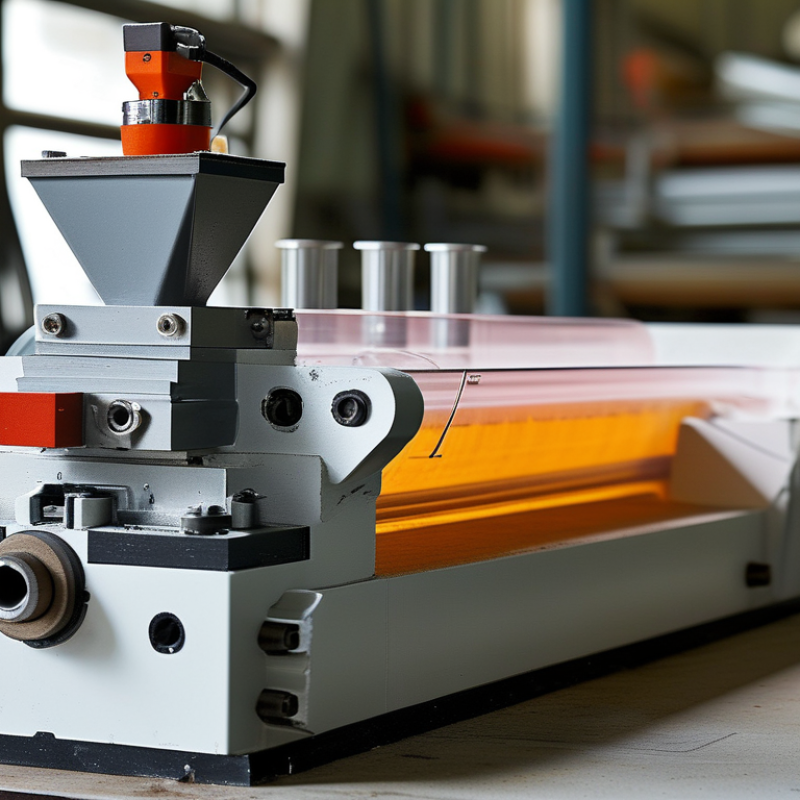
What Is the 2026 Best Plastic Profile Extrusion Machine?

What Is a Plastic Profile Extrusion Machine?

What Is the 2026 Best Plastic Profile Extrusion Machine?

A plastic profile extrusion machine continuously forms plastic into fixed shapes. It melts polymer pellets inside a heated barrel. A rotating screw then pushes the melt through a shaped die.

The die creates the profile’s final cross-section. It may produce window seals, cable channels, edging strips, or construction rails. After leaving the die, the hot profile enters a calibration and cooling table. Water sprays or vacuum sizing keep its dimensions stable. A haul-off unit pulls the profile forward at a controlled speed. A cutter or winder completes the line.

In 2026, the best machine is not simply the fastest model. It should match the material, profile size, wall thickness, and production volume. Stable temperature zones matter because uneven heating can cause bends, bubbles, or weak surfaces. Precise screw design also helps control output and reduce material waste. Servo-driven hauling can improve length accuracy, especially with thin profiles.

Energy monitoring and automatic process records are increasingly useful. Operators can compare pressure, temperature, and speed during each production run. That supports more reliable quality checks. Still, automation cannot repair poor die design or careless setup. I have found that small alignment errors become obvious after several meters. This is easy to overlook.

A practical evaluation should include trial production, dimensional testing, cleaning access, and operator training. The “best” machine depends on real factory conditions. That answer is less convenient, but more honest.

What Is the 2026 Best Plastic Profile Extrusion Machine?

Typical output capacity of plastic profile extrusion machine configurations used for PVC, PE, and ABS profiles

The best plastic profile extrusion machine depends on the required profile size, polymer, production speed, and energy demand. A compact 45 mm single-screw machine is suitable for small profiles, while 65 mm and 90 mm systems provide higher throughput for larger or continuous production lines. The output figures shown are typical engineering reference ranges rather than brand-specific performance claims.

How Does a 2026 Plastic Profile Extrusion Machine Work?

What Is the 2026 Best Plastic Profile Extrusion Machine?

How Does a 2026 Plastic Profile Extrusion Machine Work?

A plastic profile extrusion machine converts polymer pellets into continuous shapes. Pellets enter the hopper, then move through a heated barrel. A rotating screw melts, mixes, and pushes the material forward. The die gives the melt its profile, such as a seal, rail, tube, or window section. After leaving the die, the hot profile passes through a calibration table and cooling tanks. A haul-off unit controls speed, while a cutter or winder completes the process. In practice, small temperature changes can distort corners, so stable control matters more than impressive speed.

The machine’s performance depends on screw design, die accuracy, cooling efficiency, and material consistency. Plastics Europe reported 413.8 million tonnes of global plastics production in 2023. That volume increases pressure for efficient processing and better material use. Recycled or blended polymers can reduce waste, but they may change melt flow and surface quality. This is where many specifications look better than real production. A machine should be tested with the exact profile, resin, and tolerances required. Data from the trial is more useful than a catalog promise.

Tips: Dry moisture-sensitive pellets before extrusion. Check melt temperature near the die, not only on the barrel display. Inspect profile dimensions during production. Record cooling speed, haul-off speed, and scrap rate. Operators should also review energy use per kilogram. The International Energy Agency continues to identify industrial efficiency as a major emissions opportunity, but extrusion plants still need practical measurements, not vague claims.

Which Features Define the Best Extrusion Machine in 2026?

What Is the 2026 Best Plastic Profile Extrusion Machine?

Which Features Define the Best Extrusion Machine in 2026?

The best plastic profile extrusion machine is not defined by speed alone. It must deliver stable output, accurate dimensions, and repeatable quality during long production runs. In practical factory trials, servo-driven haul-off systems often improve profile length control. Precise temperature zones also reduce warping, surface marks, and uneven melting.

Material flexibility matters more than many buyers expect. A capable machine should process common thermoplastics and support different profile shapes without lengthy changeovers. Quick die replacement, accessible heating elements, and clear control screens can reduce downtime. Useful machines also record temperature, pressure, speed, and energy data. These records help operators find problems before rejected products fill a storage area.

Safety and maintenance deserve equal attention. Guarded moving parts, emergency stops, and stable electrical systems support safer daily work. Automatic alarms are helpful, but operators still need training and practical judgment. No machine is perfect. A highly automated line may become difficult to repair if its controls are too complex. I would also question impressive energy claims without measured production data. A reliable evaluation should compare output, scrap rate, power consumption, and maintenance time under the same conditions. Small details matter. Clean cooling channels, rigid frames, and easily replaced wear parts can influence performance for years.

How to Compare Plastic Profile Extrusion Machine Performance

What Is the 2026 Best Plastic Profile Extrusion Machine?

How to Compare Plastic Profile Extrusion Machine Performance

The best plastic profile extrusion machine is not defined by speed alone. In real production, stable dimensions matter more than impressive output figures. Compare melt temperature variation, screw torque, pressure stability, and profile tolerance during a continuous test. A reliable machine should hold the target size when material conditions change slightly. Check the result with calibrated gauges, not visual judgment. Small errors become costly after several hours.

I have found that cooling performance often separates a good machine from an excellent one. Examine water temperature control, vacuum calibration, haul-off synchronization, and cooling tank access. A profile leaving the die may look correct, then distort during cooling. That is easy to miss. Measure samples from the beginning, middle, and end of a production run. Record surface finish, shrinkage, and weight per meter. Use actual production material whenever possible.

Energy use also deserves careful comparison. Review motor efficiency, heating response, idle consumption, and changeover time. Ask for maintenance records and verified test data. A polished demonstration can hide weaknesses. It happens. Operators should also judge noise, cleaning difficulty, control visibility, and access to wear parts. Automation improves repeatability, but poor sensor calibration can create false confidence. For 2026 purchasing decisions, compare total operating performance over several shifts, not one fast sample. The “best” machine may produce slightly less, while delivering fewer rejects and steadier quality.

What Industries Use Advanced Profile Extrusion Machines?

Advanced profile extrusion machines serve industries where shape, consistency, and material performance cannot be separated. In construction, they produce window seals, cable ducts, siding edges, and rigid framing profiles. Engineers value stable dimensions because a small distortion can create installation problems. Automated cooling tanks and laser measurement systems help control these risks during continuous production.

The automotive industry uses extrusion for weather seals, protective channels, interior trims, and lightweight structural guides. These profiles may combine flexibility with resistance to heat, vibration, and chemical exposure. Electrical manufacturers also depend on precise extrusion for insulation channels, conduit parts, and protective housings. A clean surface matters here. Tiny marks can affect assembly or signal reliable quality.

Medical equipment makers use advanced machines for tubing, gaskets, and custom guides made from carefully selected polymers. Food processing and refrigeration companies require profiles that tolerate moisture, cleaning routines, and repeated temperature changes. Furniture, agriculture, and renewable energy equipment also use extruded seals, edge guards, and support tracks. Tolerance matters.

In practice, the best machine is not always the fastest one. It must match the polymer, profile geometry, cooling method, and inspection process. A setting that works for one material may fail badly with another. Heat changes everything. Experienced teams still review scrap rates, surface defects, and energy use before approving a production line. No machine is perfect, and rushed automation can hide problems instead of solving them.

FAQS

What does a plastic profile extrusion machine do?

It melts polymer pellets and pushes the material through a shaped die. The die forms a continuous profile. Cooling and pulling preserve its dimensions.

Which products can this machine produce?

It can produce window seals, cable channels, edging strips, construction rails, and protective housings. The die determines the final cross-section. Small design changes matter.

What happens after the plastic leaves the die?

The hot profile enters a calibration and cooling table. Water sprays or vacuum sizing stabilize its shape. A haul-off unit controls forward movement. A cutter or winder finishes the line.

What makes a good machine for 2026?

A suitable machine matches the polymer, profile size, wall thickness, and production volume. Speed alone is not enough. Stable heating, precise screws, and controlled hauling matter more.

Why are temperature zones important?

Even heating supports steady melting and consistent surfaces. Poor control may cause bends, bubbles, or weak areas. Heat changes everything.

Which industries use advanced profile extrusion machines?

Construction, automotive, electrical, medical, furniture, agriculture, and renewable energy industries use them. Applications include seals, trims, insulation channels, tubing, and support tracks. Tolerance matters.

How can operators improve profile quality?

They should monitor temperature, pressure, screw speed, hauling speed, and cooling conditions. Laser measurement can detect dimensional changes during production. Trial runs reveal problems.

Can automation solve every extrusion problem?

No. Automation cannot repair poor die design or careless setup. Small alignment errors may become obvious after several meters. That is easy to miss.

What should buyers check before selecting a machine?

They should request trial production and measure profile dimensions afterward. Cleaning access, training, energy use, and scrap rates also deserve attention. The best choice depends on factory conditions.

Conclusion

A Plastic Profile Extrusion Machine is an advanced production system designed to transform thermoplastic materials into continuous profiles with consistent shapes, dimensions, and surface quality. In 2026, these machines typically combine precise material feeding, controlled heating zones, efficient melting, profile shaping through customized dies, and calibrated cooling systems. Automated haul-off and cutting units help maintain stable production speed while reducing waste and manual intervention.

The best extrusion machines are defined by energy efficiency, accurate temperature and speed control, flexible configuration, reliable operation, easy maintenance, and intelligent monitoring functions. Performance should be compared through output stability, dimensional accuracy, material compatibility, energy consumption, production speed, and overall operating cost. Advanced profile extrusion machines are widely used in construction, window and door manufacturing, furniture, transportation, electrical systems, packaging, and other industries that require durable, lightweight, and precisely formed plastic profiles.


Ethan

Ethan

Ethan is a seasoned marketing professional with a deep expertise in our company's innovative product line. With a passion for sharing knowledge and insights, he takes the lead in regularly updating our corporate blog, where he explores industry trends, product features, and effective marketing......