In the competitive world of manufacturing, finding the right Hose Extrusion Line is crucial. This equipment is essential for producing high-quality hoses used in various industries. Buyers globally face the challenge of selecting the best line that meets their needs and budget.
Understanding the intricacies of Hose Extrusion Lines can be daunting. Many factors affect performance, such as material compatibility and production speed. Manufacturers need reliable equipment to ensure efficiency and reduce downtime. Potential buyers should consider expert reviews and firsthand experiences when making decisions.
Investing in the right Hose Extrusion Line is not just about immediate costs. It's about long-term reliability and production quality. Reflecting on past purchases can provide valuable insights. Are there features you overlooked before? Have you faced unexpected challenges? Taking time to reflect can guide future purchases wisely.
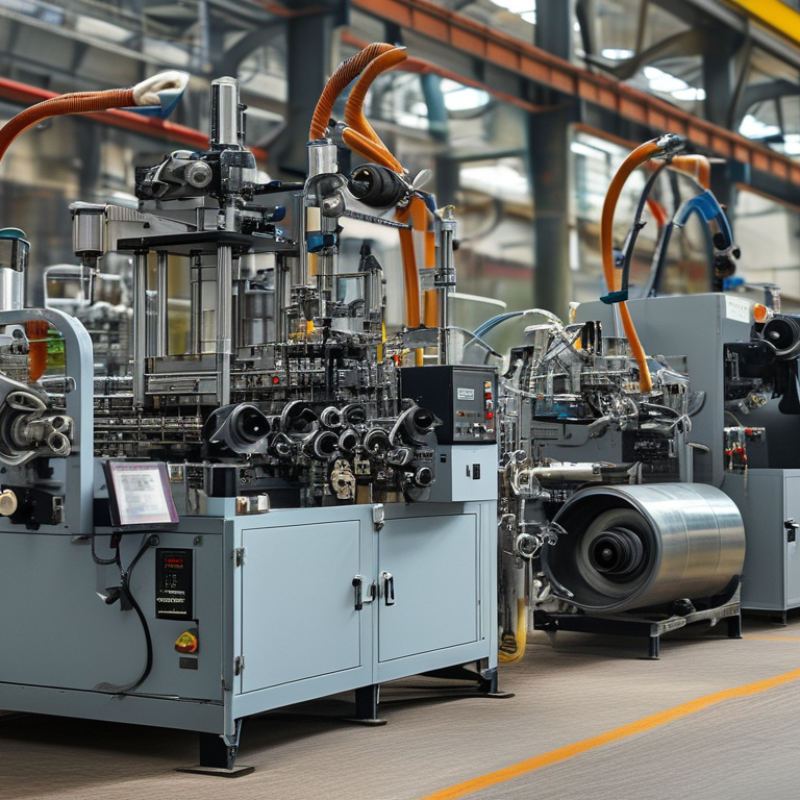
In recent years, the hose extrusion industry has witnessed significant advancements. The focus on efficiency and sustainability continues to be paramount. According to a 2023 industry report, global demand for high-quality hoses is set to rise by 5% annually. This trend propels innovations in the hose extrusion line market.
Key features of modern hose extrusion lines include enhanced automation and energy efficiency. Access to real-time monitoring systems allows manufacturers to optimize production processes. Automation reduces human error, increasing overall reliability. Additionally, many new lines incorporate eco-friendly materials to meet changing regulations. Current data shows that energy-efficient machines can reduce operational costs by up to 30%.
However, challenges remain. Not all manufacturers adopt the latest technologies, risking lower quality production. The shift towards smart extrusion lines could lead to a skills gap. Workers must adapt to new systems and processes. Continuous training is essential to avoid disruptions. Balancing innovation and workforce readiness is crucial for long-term success in this evolving sector.
The global demand for hose extrusion machinery is steadily increasing. This growth is driven by advancements in technology and rising industrial needs. Industries such as automotive, construction, and agriculture are pushing for high-quality hoses. Manufacturers must adapt to these evolving trends to remain competitive.
When considering a hose extrusion line, focus on customization options. Tailoring machinery to specific production needs enhances efficiency. Flexibility in design can accommodate various hose materials, too. Such versatility is vital for meeting diverse customer demands.
Tips: Always evaluate the energy efficiency of the machinery. Sustainable production is gaining traction. Investing in eco-friendly technology can lower operational costs. Regular maintenance schedules should not be overlooked. Keeping machinery in top condition ensures consistent production quality. Remember, efficiency today creates opportunities tomorrow.
When selecting the best hose extrusion line, understanding the technical specifications is crucial. Optimal performance metrics influence production efficiency and cost-effectiveness. According to a recent industry report, extrusion lines with a throughput of 300-500 kg/h generally provide the best returns. This metric ensures a balance between speed and quality. However, not all lines operate at this level consistently. It's essential to analyze the specific requirements of your production.
Pay attention to temperature control and pressure maintenance. Research shows that maintaining a steady processing temperature can reduce defects by up to 30%. Pressure variations can affect the final product's durability and performance. Investing in advanced monitoring systems may seem costly initially but often leads to long-term savings on material waste.
Tips: Always assess the versatility of the extrusion line. Equipment that adapts easily to different materials can save you time and resources. Additionally, consider the energy consumption metrics of each model. Energy-efficient lines can significantly cut operational costs over time. Engage with manufacturers to understand their data on energy savings. Learn from the challenges faced by others in the industry. This can guide your purchasing decisions better. Reflect on these metrics before making a choice.
The hose extrusion industry is vital for various applications, ranging from construction to agriculture. In 2022, the global market size was approximately $10 billion, with an expected growth rate of around 5% annually. The demand for high-quality hoses has spurred competition among leading manufacturers.
Top manufacturers in this field are investing heavily in technological advancements. They are focusing on automation and quality control systems. These innovations lead to more efficient production lines and reduce waste. However, not every company keeps pace with these advancements, and some still rely on outdated methods. This gap in technology can result in inconsistencies in product quality.
Buyers should consider manufacturers that prioritize eco-friendly materials and processes. As sustainability becomes a priority, many companies are adjusting their operations. Some are still lagging behind, potentially missing market opportunities. Responsible manufacturing practices can enhance brand reputation and contribute to long-term success.
In 2026, buyers seeking the best hose extrusion line must conduct careful investment considerations. The global hose market is projected to grow at a CAGR of 4.5%, reaching $8.2 billion by the end of 2026. This data highlights the importance of choosing the right equipment to stay competitive.
Investing in a high-quality extrusion line requires clear cost-benefit analysis. According to industry reports, low-quality machinery may save initial costs but result in higher downtime. Studies show that businesses using premium lines experience 20% less maintenance time. Buyers should assess initial investment against long-term operational costs.
Furthermore, technology advancements in extrusion lines can improve efficiency and productivity. Automated systems reduce labor costs. A well-chosen line can yield up to 15% more output per shift. However, automation comes with a learning curve. Training staff adequately is essential. Not addressing this can hinder performance. Reflecting on these factors allows for a more informed decision.
: Key advancements include enhanced automation and energy efficiency. Real-time monitoring helps optimize production processes.
Energy-efficient machines can reduce operational costs by up to 30%. This promotes sustainability in production.
Global demand for high-quality hoses is increasing by 5% annually. This growth is driven by industrial needs.
Some manufacturers resist adopting new technologies. This can lead to lower quality production and inefficiencies.
Customizing machinery enhances efficiency and accommodates various hose materials. Flexibility meets diverse customer demands.
Regular maintenance is crucial. Keeping machinery in top condition ensures consistent production quality.
Automation reduces labor costs but requires training. Failing to train staff can hinder performance.
Buyers should analyze initial investment versus long-term operational costs. Low-quality machinery can lead to higher downtime.
Not adopting modern technologies may result in inefficient processes. This can ultimately affect competitiveness and market position.
Continuous training is essential for workers. Balancing innovation with workforce readiness promotes long-term success.
The "2026 Best Hose Extrusion Line for Global Buyers Guide" provides an insightful overview of the current developments and trends in the hose extrusion industry. It highlights the key features and innovations shaping the future of hose extrusion lines, emphasizing the increasing global demand for efficient and high-performing machinery.
Market trends indicate a robust growth trajectory, driven by advancements in technology and rising applications across various sectors. The article further details the optimal performance metrics and technical specifications essential for selecting the right extrusion line. Additionally, it presents a cost-benefit analysis, helping potential buyers weigh investment considerations for the year 2026. Overall, this guide serves as a comprehensive resource for understanding the evolving landscape of hose extrusion lines.

Baodie